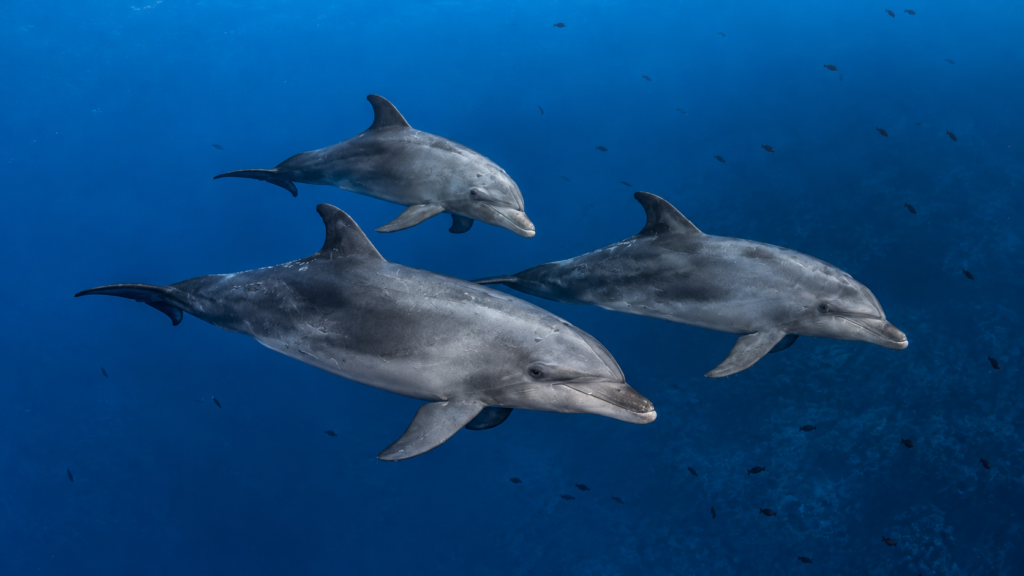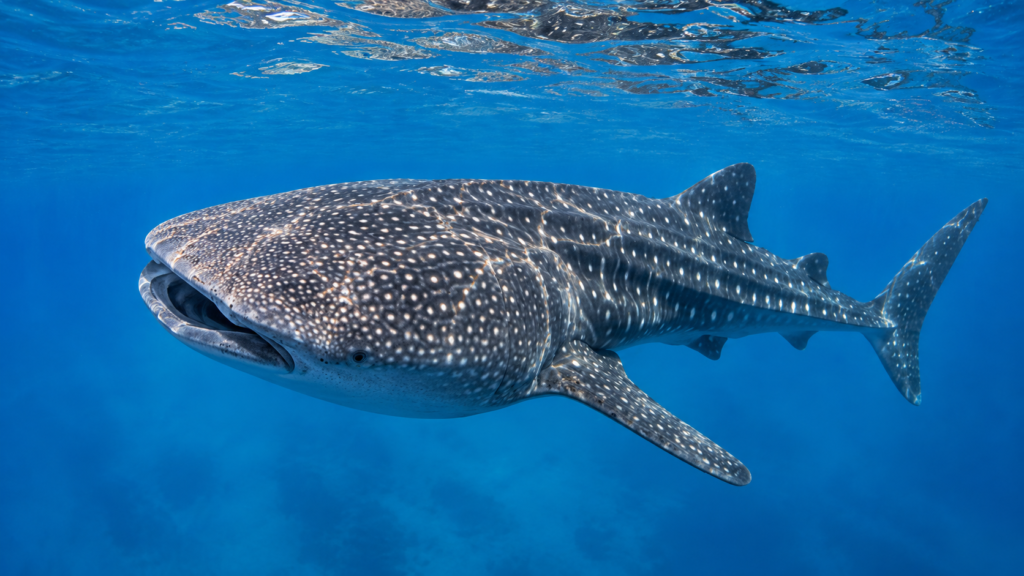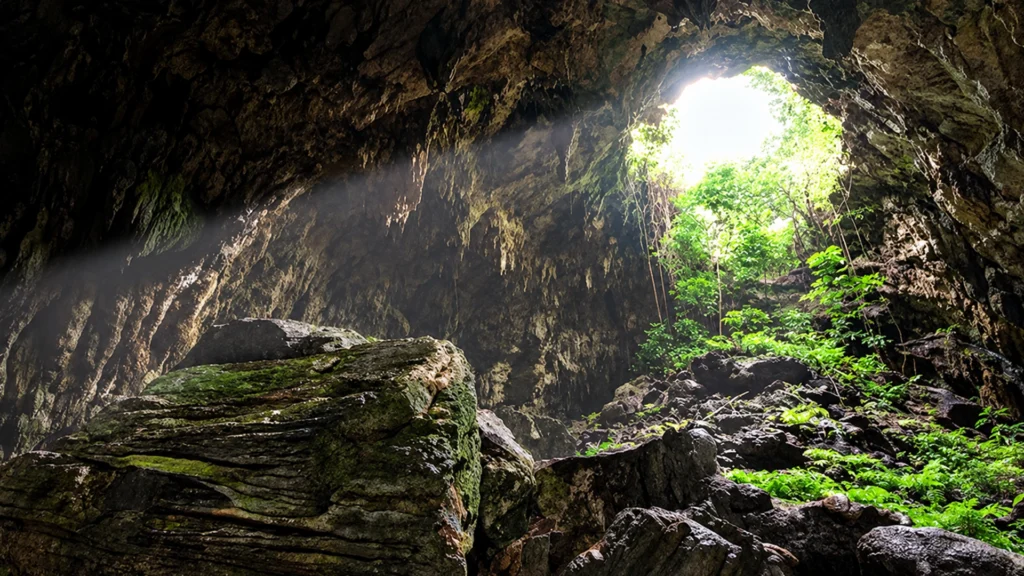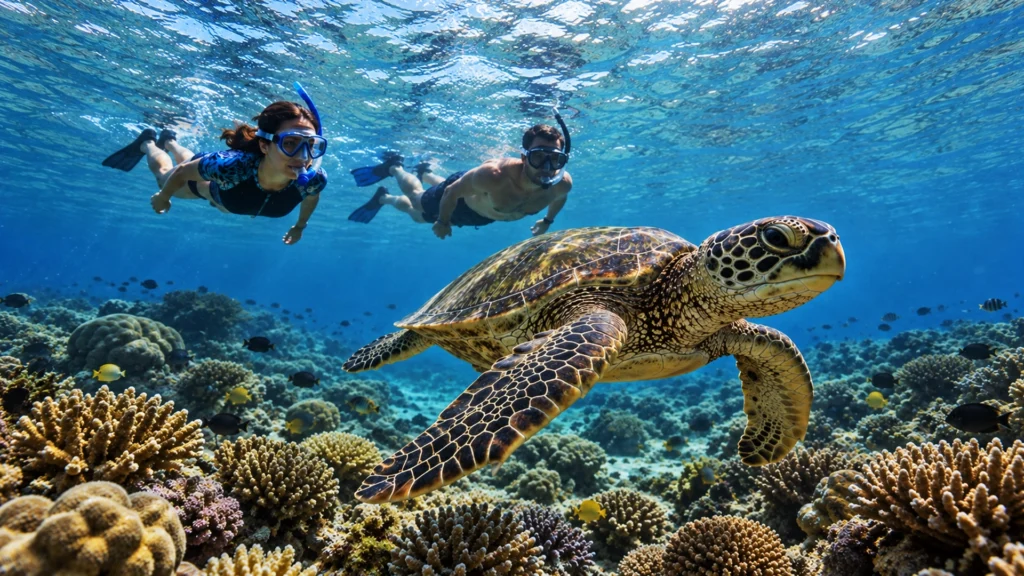
Below the surface around Apo Island, coral gives the seabed a three dimensional character. Branching colonies, rounded formations and spreading plates create a landscape of shelter and movement, with reef fish threading between them. A turtle passing through the scene changes its scale: the reef becomes the setting for an encounter with an animal moving through its own habitat.
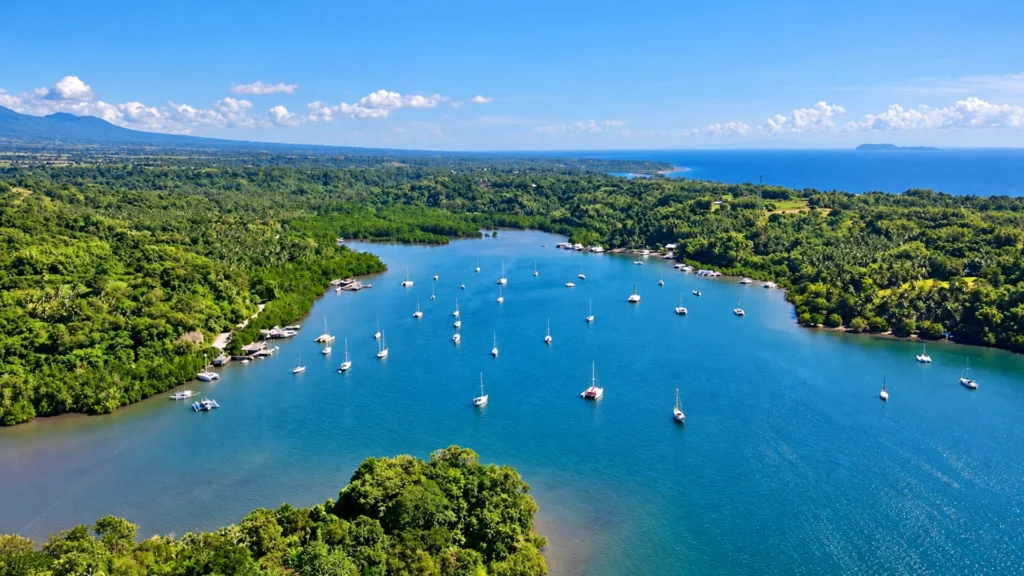
These underwater gardens are part of the wider marine landscape of Dauin, on the southeastern coast of Negros. Apo Island provides the principal offshore experience, while reefs along the mainland offer a complementary perspective. Together, they reveal a coastal region whose interest extends well beyond the view from the beach.
Apo Island’s Living Landscape
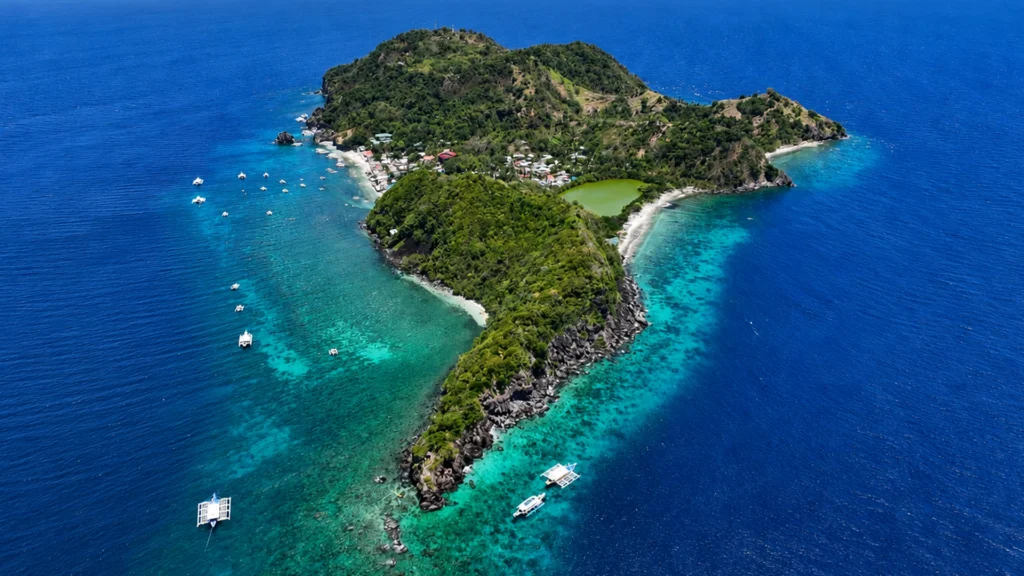
Apo Island lies offshore from southern Negros and belongs to the municipality of Dauin. Its surrounding reefs are central to its identity, offering snorkelling and diving experiences that combine coral scenery with abundant marine life.
The attraction is both architectural and ecological. Corals create structure, giving fish places to shelter and making the underwater terrain visually complex. Seen from above, the reef offers patterns and changing contours. Viewed at closer range, individual colonies and the spaces between them become more apparent. The experience rewards attention to the whole scene as much as to a particular animal.
Fish introduce another layer of movement. Local dive accounts describe colourful reef communities and schools of jacks around Apo, although any particular encounter depends on the site and the day. The appeal does not rest on a checklist of species. It comes from watching a living landscape in which coral, fish and open water continually change the composition.
Turtles Within the Reef
Sea turtles give Apo Island a particularly engaging dimension. Green and hawksbill turtles are documented in its waters, and observing them is an established part of the island’s marine appeal.
A turtle encounter draws attention away from the broad reef panorama towards an individual animal. Its outline, deliberate movement and progress through the water offer a different subject from the changing shapes of a fish school. For a photographer, it can provide a focal point within a larger underwater scene. For someone simply watching, it gives the reef a more personal scale.
The animals belong within the story of the habitat, rather than standing apart as a separate attraction. Their presence connects the coral landscape with the wider marine environment. The experience described here is observation of wild turtles, without feeding, handling or arranging their behaviour for visitors.
A Different Perspective Along Dauin
Dauin’s mainland diving is often associated with searching sandy seabeds for small and unusual creatures. Its coast also includes coral reefs and reef outcrops, making it relevant to a broader coral gardens experience.
This contrast adds interest. Dark sand and coral occupy different parts of the same coastal environment, and the change between them makes the reef’s structure especially noticeable. Mainland marine sanctuaries provide settings for observing tropical fish and other reef life, while Apo offers the distinct experience of travelling offshore to an island surrounded by reef habitats.
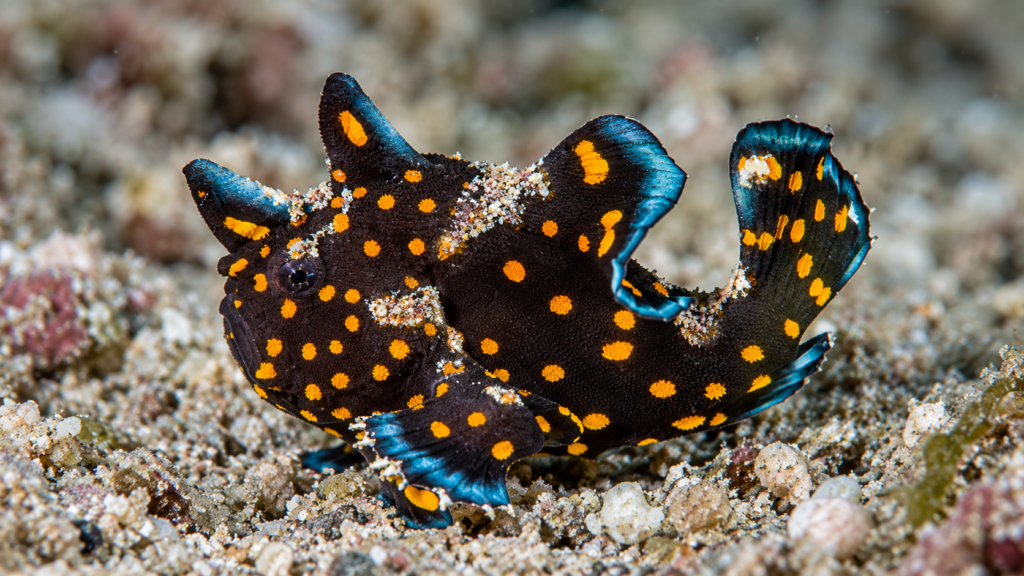
For this feature, the emphasis remains on coral scenery and its larger inhabitants. Dauin’s frogfish, octopuses and other miniature discoveries deserve their own story. Keeping those perspectives separate allows each underwater experience to retain its character.
A Landscape Shaped by Community Decisions
Apo’s marine appeal carries a history of local action. In 1982, the island community, supported by Silliman University scientists and the work of Angel Alcala, established a marine sanctuary. It became an influential example of community involvement in marine conservation.
That history adds substance to the experience. The reef is also part of an inhabited island whose community has had to consider fishing, conservation and tourism together. Silliman University’s accounts connect the sanctuary’s legacy with island residents and guides who continue to take an interest in protecting the marine area.
Understanding this background changes the meaning of the view. Coral gardens are living habitats connected to local decisions and livelihoods. Their appeal includes the relationship between scientific knowledge, community participation and the sea.
More Than One Way to Appreciate the Gardens
Snorkelling and scuba diving offer different ways to encounter these landscapes. Snorkelling gives a view from the surface over suitable shallow reef areas; diving allows a closer perspective on underwater structure. Neither needs to turn the experience into a search for rare animals.
There is room here for different interests: the visual patterns of coral, underwater photography, turtle observation, fish behaviour or the history of marine conservation. For Tala, this nearby marine landscape extends the mountain to sea idea beneath the water, adding a distinctive setting for exploration alongside the region’s coastal and upland experiences.