A fish that resembles a piece of its surroundings can be more surprising than one that fills the view. Along Dauin’s coast, divers search for animals whose shapes, colours and camouflage make them difficult to notice at first. A sandy slope becomes interesting through what is found within it: a frogfish, an octopus or a small sea slug with an intricate pattern.
This is the appeal of Dauin’s hidden marine life. On the southeastern coast of Negros, south of Dumaguete, the municipality is closely associated with a style of diving that gives small creatures the leading role. Neighbouring Zamboanguita offers related experiences, extending the interest along the southern coast.
Looking Closely at the Seabed
The term muck diving can sound unpromising. It describes exploration of sandy, silty or muddy underwater habitats, where the principal attraction is often individual animals rather than an extensive coral panorama. In Dauin, dark sand is an important part of that setting.
The experience asks for a change in attention. Instead of taking in a broad reef scene, the diver examines smaller areas and learns to recognise shapes that differ only slightly from their surroundings. A guide’s discovery can change the meaning of an apparently ordinary patch of seabed.
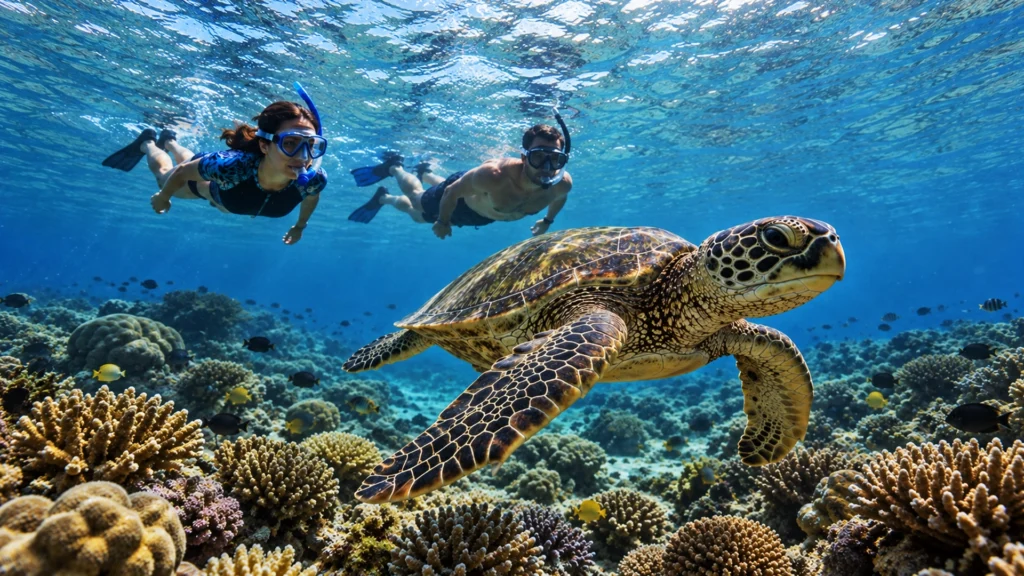
These habitats are not interchangeable with the coral gardens around Apo Island, although Dauin also has reef sites. Sand, rubble and other coastal habitats support a different style of exploration. Their attraction becomes apparent through observation, making the ability to notice something small as important as the scale of the landscape.
Frogfish and the Art of Disguise
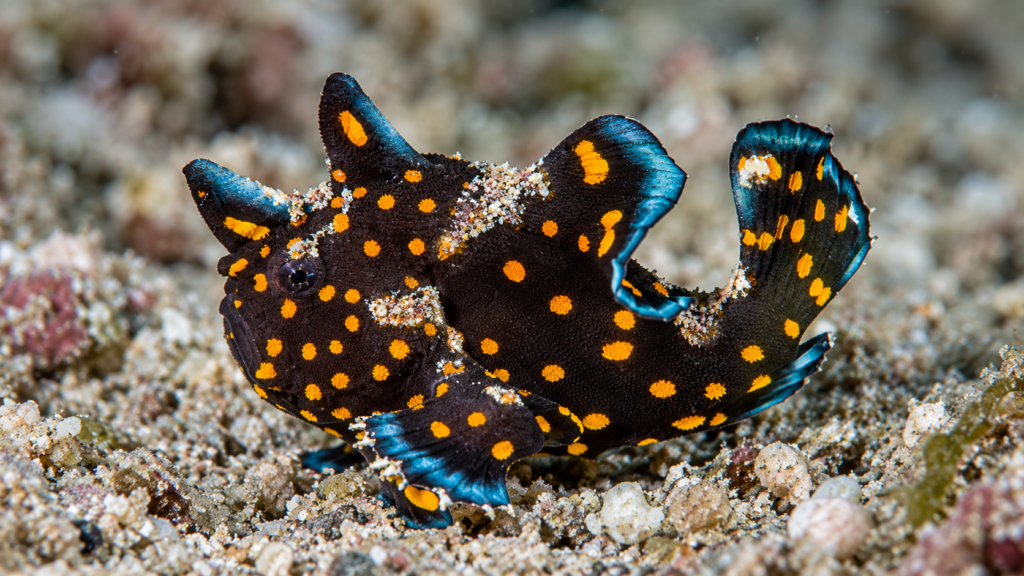
Frogfish provide one of Dauin’s most distinctive subjects. Local diving accounts describe several kinds, including painted and hairy frogfish, whose outlines and textures can make them blend into the underwater surroundings.
Their appearance rewards a second look. A body that initially seems irregular or inert becomes recognisable as a fish, with a mouth, eyes and fins. Their camouflage is part of how they live and hunt. Frogfish also possess a lure above the mouth, used to attract prey, giving their unusual form a behavioural explanation.
For a photographer, the appeal includes texture, colour and the challenge of showing an animal that conceals itself so effectively. For other divers, it is the moment of recognition. Once the creature has been identified, the surrounding seabed can seem more full of possibilities.
Octopuses and Other Unusual Forms
Octopuses introduce a different kind of interest. Mimic octopuses, wonderpus and octopuses with blue rings are documented in Dauin diving accounts. Their camouflage and distinctive forms make them sought after subjects, although finding a particular animal is never assured.
Local descriptions also include flamboyant cuttlefish, seahorses and ghost pipefish. Together, these creatures give the coast an appeal rooted in variety rather than sheer size. The interest is not simply that they look unusual. Their shapes and ways of occupying the habitat invite questions about how animals conceal themselves and move through their surroundings.
Colourful nudibranchs add another perspective. These marine sea slugs are among the smaller subjects sought by underwater photographers. Their markings offer a visual contrast with the sandy setting, bringing attention to details that would be lost in a broad underwater photograph.
Guides, Cameras and Patient Observation
The local guide has a particularly important role in this kind of diving. Knowing where to look and recognising a concealed animal can determine what a visitor notices. The guide turns a dive into a process of discovery, helping make unfamiliar forms legible.
Underwater macro photography is closely connected with the experience. By concentrating on small subjects, it can reveal details that are difficult to appreciate at normal viewing distance. A photograph becomes a way to examine an animal’s shape and pattern, rather than simply record the place where it was found.
The same interest is available without a camera. Watching quietly gives the animal time to remain in its habitat and lets the observer attend to small changes. This feature presents encounters without handling creatures or moving them into better positions for photographs.
A Coastal Interest Close to Tala
Dauin’s marine life adds a specific interest to the coast beneath Tala’s planned hillside setting. This is a scuba centred experience with particular appeal to people interested in photography, natural history and the less conspicuous inhabitants of the sea.
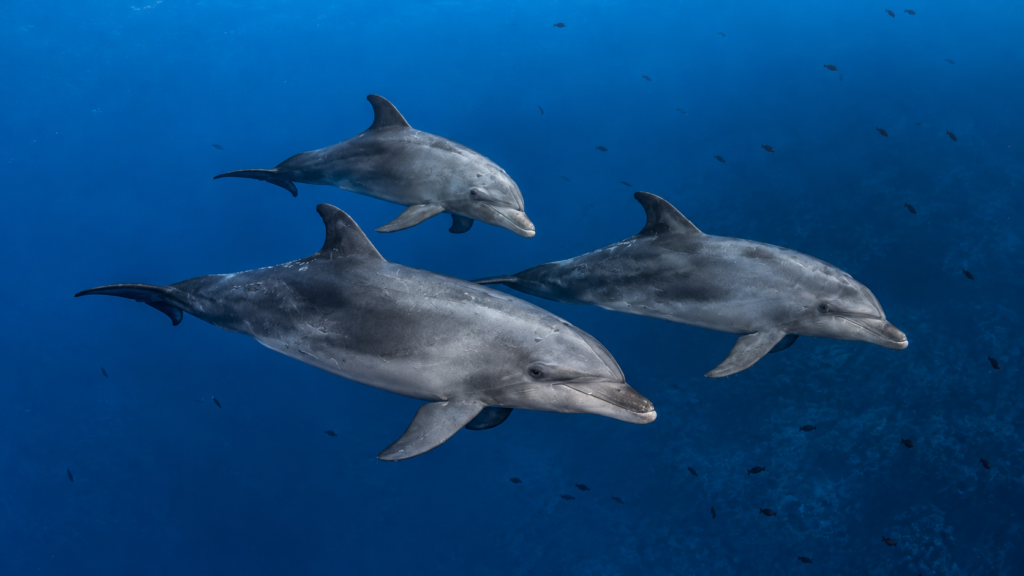
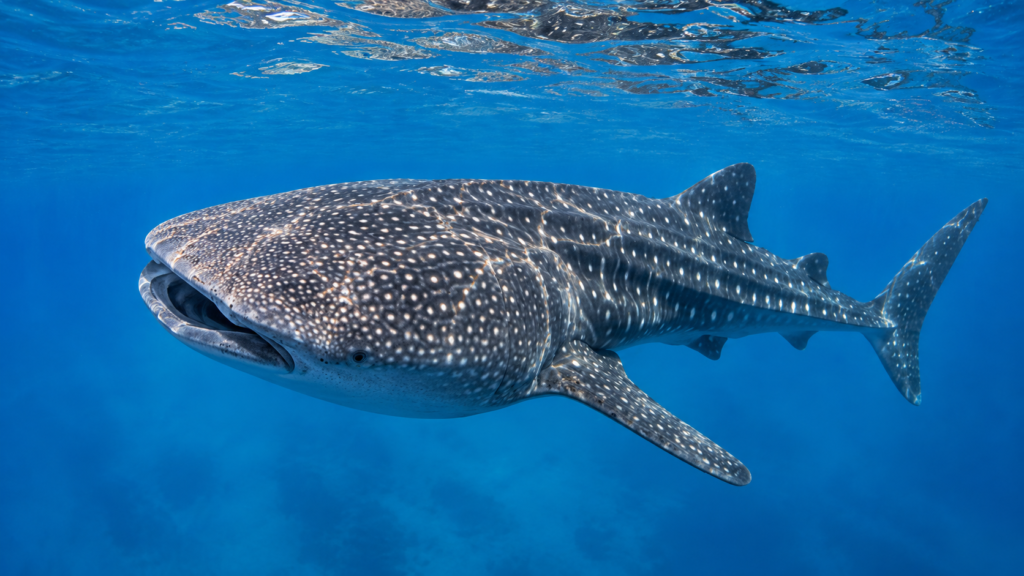
It also completes a broader marine picture. Coral gardens offer underwater scenery, dolphins draw attention to open water, and larger sharks provide encounters on wider island trips. Here, the attraction is close observation: finding an intricate and unexpected world within the coastal habitats of southern Negros.