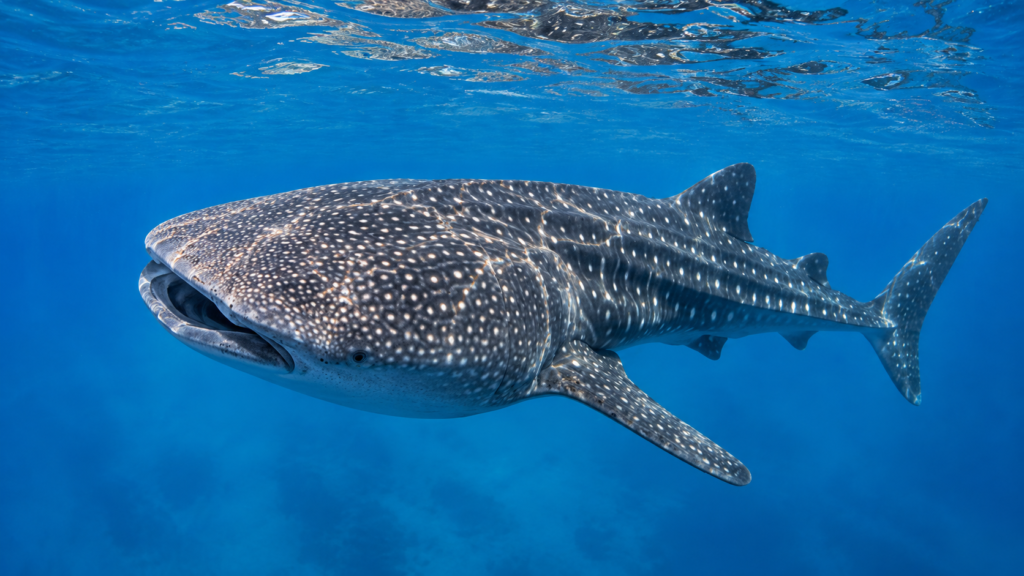
A dolphin breaking the surface changes the way an expanse of water is seen. What appeared to be open sea becomes a place of movement and possibility, with attention shifting between dorsal fins, rising bodies and the water where an animal has just disappeared. In Tañon Strait, this is the appeal of watching marine wildlife in its own environment.
Bais, north of Dumaguete, is an established starting point for these encounters. Boats head into the waters between Negros and Cebu, where several dolphin species and less easily observed whales form part of a much larger marine ecosystem. The experience combines the anticipation of wildlife watching with a view of the region from the sea.
An Open Water Landscape
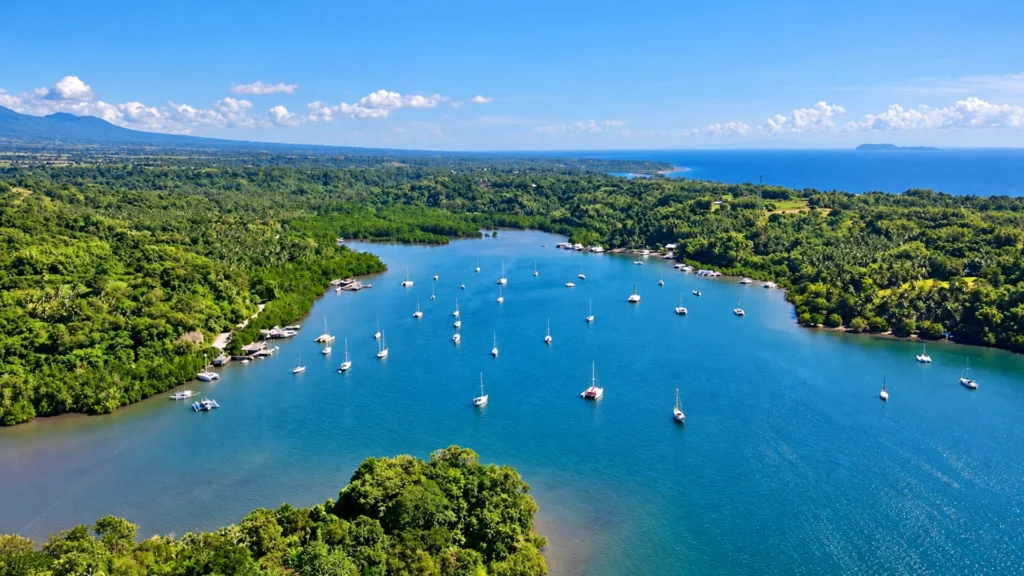
Tañon Strait is the channel separating Negros from Cebu. Its scale gives dolphin watching a different character from snorkelling over coral or exploring a sheltered bay. Here, the focus is on animals moving through open water, rather than on a fixed underwater site.
Travelling out from Bais also changes the relationship with the coast. The land becomes the boundary of a wider marine landscape, and the boat provides a moving viewpoint. For readers drawn to maritime places, the journey has interest alongside the animals: it introduces a body of water linking neighbouring island communities through fishing, travel and shared environmental responsibilities.
The strait’s protected seascape designation recognises this larger setting. It is a marine habitat and a working sea, with livelihoods along both shores connected to its resources.
Dolphins at the Surface
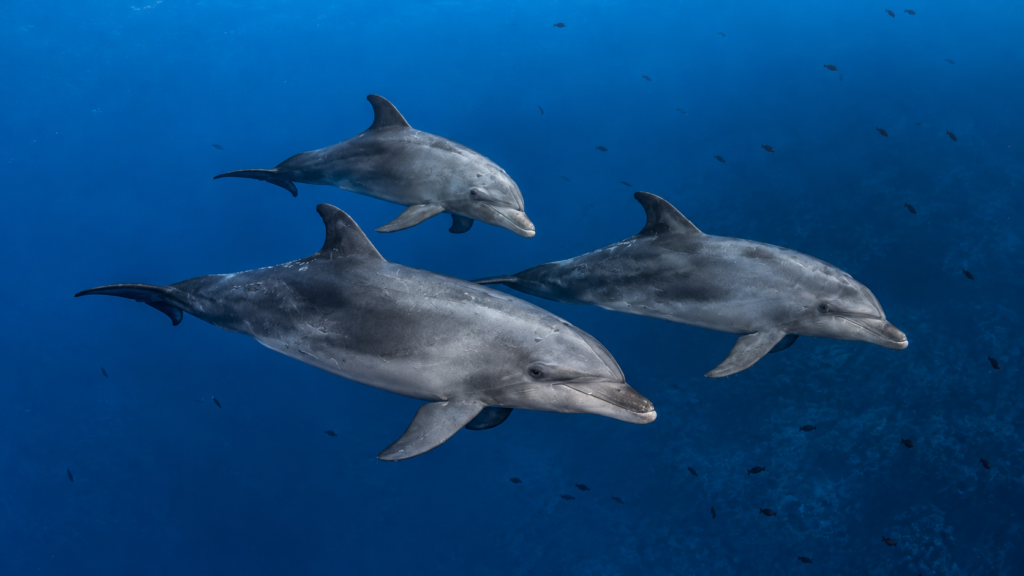
Spinner, bottlenose and pantropical spotted dolphins are among the species described in local accounts of wildlife watching around Bais. Their presence gives the experience several possible forms, from glimpses of animals surfacing to the more conspicuous leaps associated with spinner dolphins.
The attraction lies in watching behaviour rather than simply confirming a sighting. A group moving through the water presents a changing sequence, with individual animals appearing and disappearing as the observer follows their progress. Photography offers one way to engage with that movement; patient observation offers another.
Encounters remain variable. The number of animals, their behaviour and the duration of a sighting cannot be treated as features of a fixed itinerary. This uncertainty belongs to the experience of observing wildlife at sea. A photograph of a leaping dolphin records a particular moment, rather than a performance every visitor can expect.
Playing Hide and Seek with Whales
Whales are part of Tañon Strait’s documented marine life, but they deserve different expectations from dolphins. Some are discreet animals whose presence may be revealed only briefly at the surface.
Oceana’s account of a journey from Bais describes a search for pygmy sperm whales, followed by a short sighting near naturally feeding dolphins. The story illustrates both the interest and the uncertainty of whale watching here: the animals were observed, but finding them required patience and an experienced crew.
This gives the trip a second perspective without making a promise of large whales breaching beside a boat. Smaller, elusive whales can be compelling precisely because they are difficult to observe. Their presence also reminds us that much of the strait’s marine life remains beyond the surface view.
A Sea Shared with Coastal Communities
The marine mammals occupy waters that also support fishing communities. Fish are central to local livelihoods and to the food webs sustaining wildlife, making conservation relevant to both animals and people.
Wildlife tourism adds another relationship with the sea. Bais provides a setting where boat crews and visitors encounter marine mammals within the wider working landscape. The quality of that experience depends on allowing the animals room to continue their natural behaviour. This feature centres on observation without feeding, pursuit or attempts to draw animals into close contact.
Protection is therefore part of the attraction’s substance. Tañon Strait was declared a protected seascape in 1998, and its conservation involves the marine environment alongside the coastal communities that depend on it.
A Marine Experience Beyond Diving
Dolphin watching introduces an interest that does not require entering the water. It can appeal to people drawn to wildlife, photography or the experience of travelling by boat, including those who would not choose scuba diving.
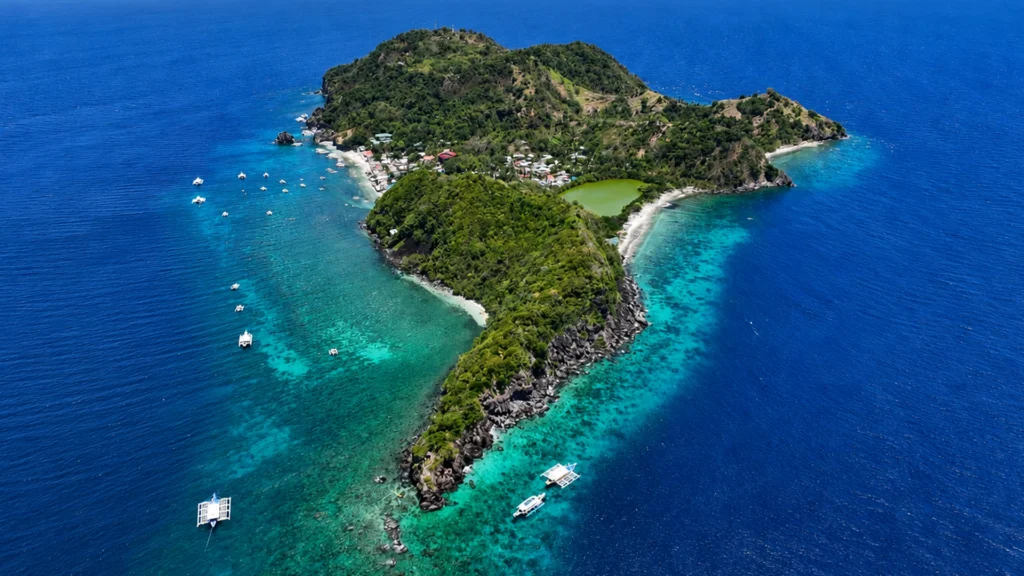
Bais sits within a wider coastal setting that includes Manjuyod Sandbar, although the sandbar has its own landscape story. Here, the distinctive subject is the possibility of observing wild marine mammals in open water. Alongside the coral gardens of Apo Island and Dauin, it gives southern Negros another way to appreciate the sea: watching its larger inhabitants emerge into view.