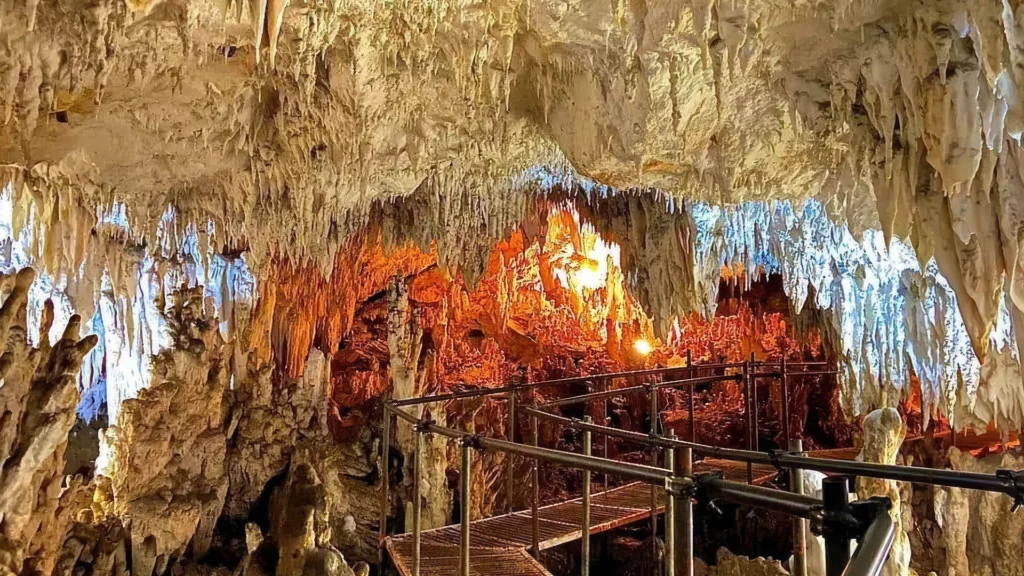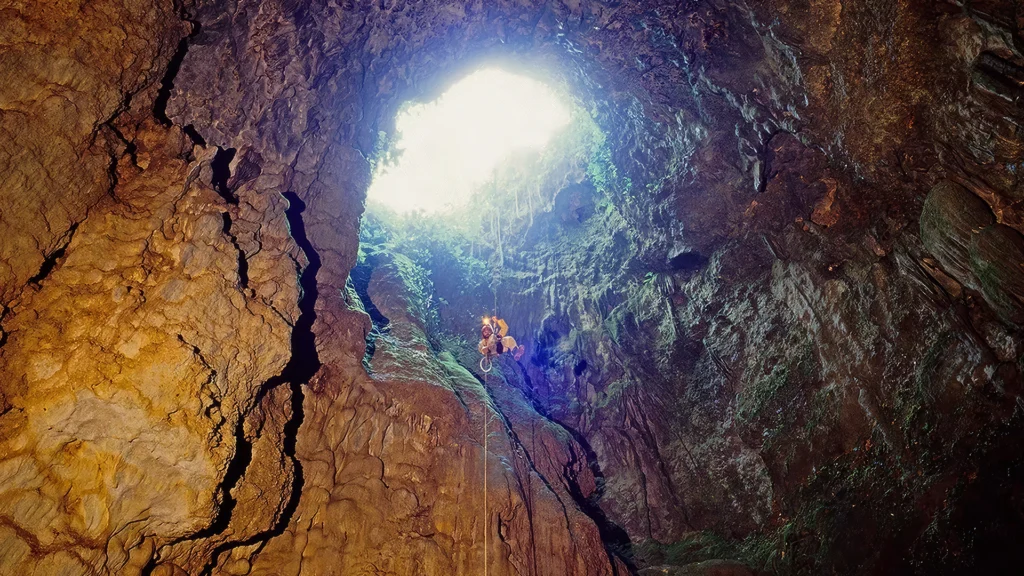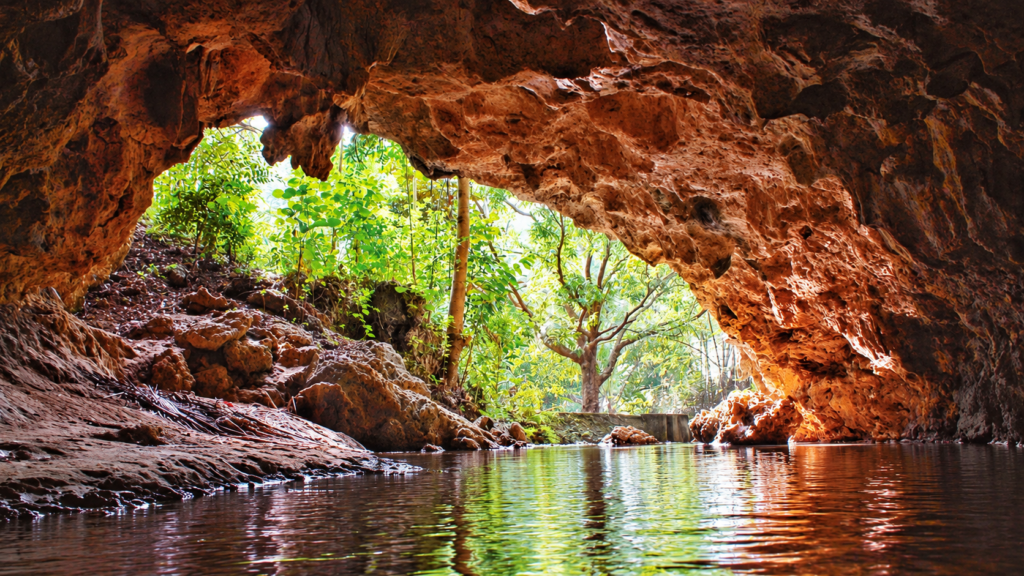
A waterfall inside a cave gives Habhaban its distinctive place among Negros Oriental’s underground landscapes. Here, flowing water is part of the passage through the rock as well as the attraction reached within it.
Located in Malabugas, Bayawan, Habhaban combines a cave and falls in a setting documented by the city government and published visitor accounts. Its character is adventurous: the recorded experience involves an uphill approach, confined entry and movement through water.
A Waterfall Within the Cave
Bayawan’s official tourism coverage identifies Habhaban as a cave with underground waterfalls. A visitor account published by DumagueteInfo describes walking and wading inside before reaching a subterranean cascade.
That combination gives the destination a clear focus. The cave provides the enclosing space, while the waterfall introduces movement within it. Appreciating Habhaban means considering the two together, rather than treating the cave as a passage to an unrelated outdoor attraction.
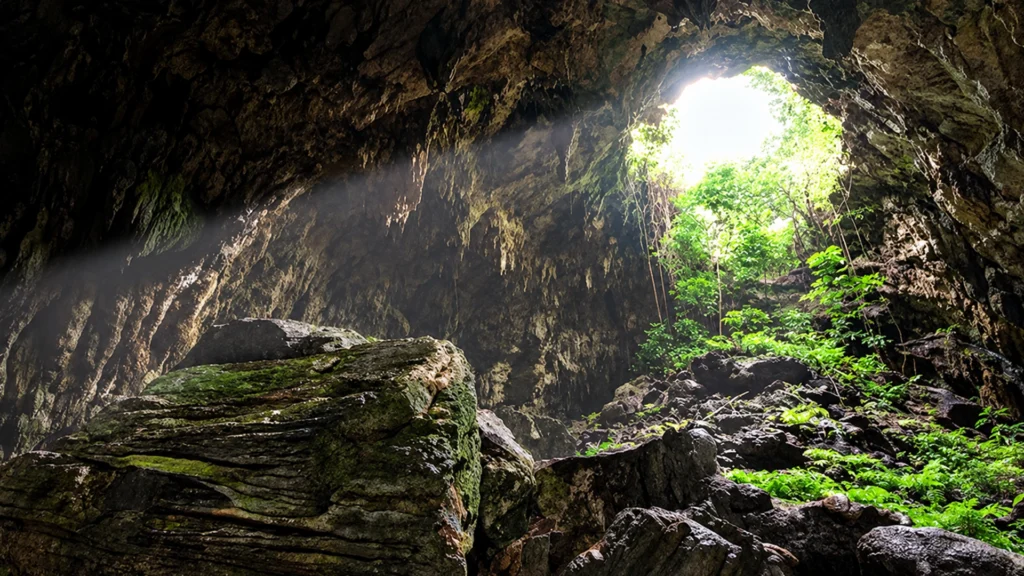
Its visual interest is the relationship between falling water and the surrounding rock. A verified photograph showing both would communicate the destination more effectively than a general view of a waterfall without its cave setting.
The Passage Is Part of the Experience
Published accounts make clear that Habhaban is physically demanding. GMA’s Biyahe ni Drew coverage describes entering through water, while Bayawan’s own tourism feature records an uphill hike and crawling into the cave.
The archived DumagueteInfo account adds a personal perspective. Its narrator recalls apprehension before entering and a change of feeling after seeing the interior, describing a guided journey that culminated at the underground falls.
These accounts convey an experience built around progression: approaching the cave, passing into its confined interior and reaching the waterfall. They describe particular visits rather than a guaranteed route or an invitation to casual exploration.
Another Side of Bayawan
Habhaban also broadens the picture of Bayawan. The city’s development plan records the cave and falls in its tourism inventory, identifying Malabugas as the location and caving as the attraction.
For readers interested in exploring the provincial interior, it offers a different subject from a coastal outlook or an open landscape. The setting is enclosed, and its defining feature is encountered within the cave.
Habhaban’s place in Tala’s wider destination story rests on that specific character. Alongside the skylit chamber of Panligawan, Crystal Cave’s mineral formations and Odloman’s extensive passages, it introduces the underground waterfall as another way to appreciate Negros Oriental’s varied terrain.