Off the eastern coast of Negros Oriental, Manjuyod Sandbar offers one of the province’s most distinctive coastal landscapes. Extending through the shallow waters of Bais Bay, the long stretch of pale sand appears and disappears with the changing tides, creating an environment that can look remarkably different over the course of a single day.
Although associated with the municipality of Manjuyod, the sandbar is commonly reached by boat from neighbouring Bais City, approximately 45 kilometres north of Dumaguete. Its position within the sheltered coastal waters of the Tañon Strait gives it a character quite different from the beaches and rocky shorelines found elsewhere in the province.
What makes Manjuyod particularly interesting is not simply its appearance, but the way the landscape changes. Unlike a conventional beach, its exposed surface is temporary, with the sea determining how much of the sandbar visitors can explore.
A Sandbar That Appears and Disappears
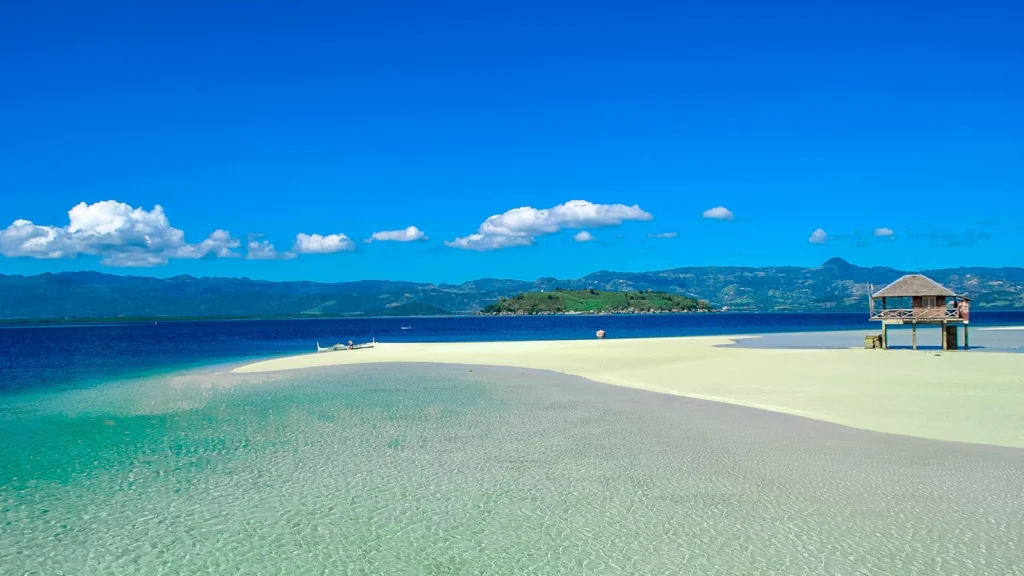
Manjuyod Sandbar is a naturally formed accumulation of sand within the shallow coastal environment. Its elongated shape becomes most apparent around low tide, when broad sections of pale sand emerge above the surrounding water.
At these times, visitors can walk along exposed stretches, observe the subtle patterns left by the retreating water and appreciate the unusual perspective of standing on sand some distance from the mainland.
As the tide rises, the landscape transforms. Areas that were previously dry become submerged, leaving shallow turquoise water extending across much of the sandbar. Depending on tidal conditions, the sand may become almost entirely concealed.
These changes are central to the experience. A visit timed for low tide offers the opportunity to explore the exposed sand, while higher water levels create a very different setting for swimming and enjoying the surrounding seascape.
The water’s colour also varies with depth, sunlight, cloud cover and sea conditions, producing a shifting combination of pale green, turquoise and deeper blue.
Cottages Above the Water
Perhaps the most recognisable features of Manjuyod Sandbar are the wooden cottages raised on stilts above the shallow water.
Their simple structures create an unusual visual contrast with the open coastal landscape. At low tide, they can appear to stand above stretches of exposed sand. As the water rises, they seem to float above the sea, with their supporting posts disappearing beneath the surface.
The cottages also provide sheltered places for visitors to rest and enjoy the surroundings. Their availability and arrangements for use should be confirmed locally, particularly during weekends and holiday periods.
Beyond the cottages, the attraction remains relatively uncomplicated. Swimming in suitable conditions, walking along the exposed sand, taking photographs and observing the changing coastal environment are the principal pleasures.
Rather than a destination defined by extensive facilities or organised entertainment, Manjuyod is best appreciated as a place to spend time within an unusual natural setting.
Marine Life and the Waters of Tañon Strait
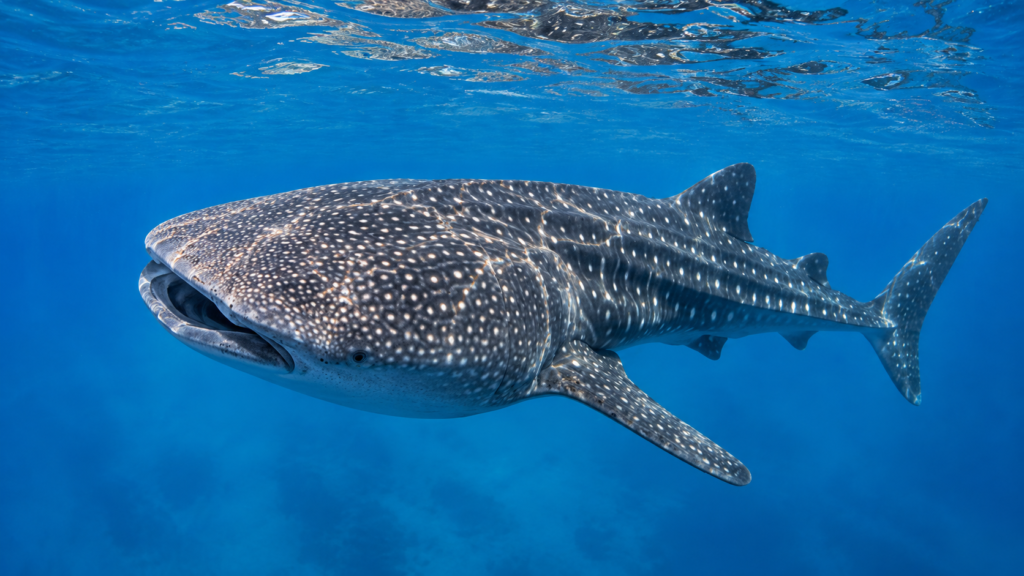
Manjuyod Sandbar lies within the wider marine environment of the Tañon Strait, the body of water separating Negros and Cebu. The strait is recognised for its ecological importance and is designated as a protected seascape.
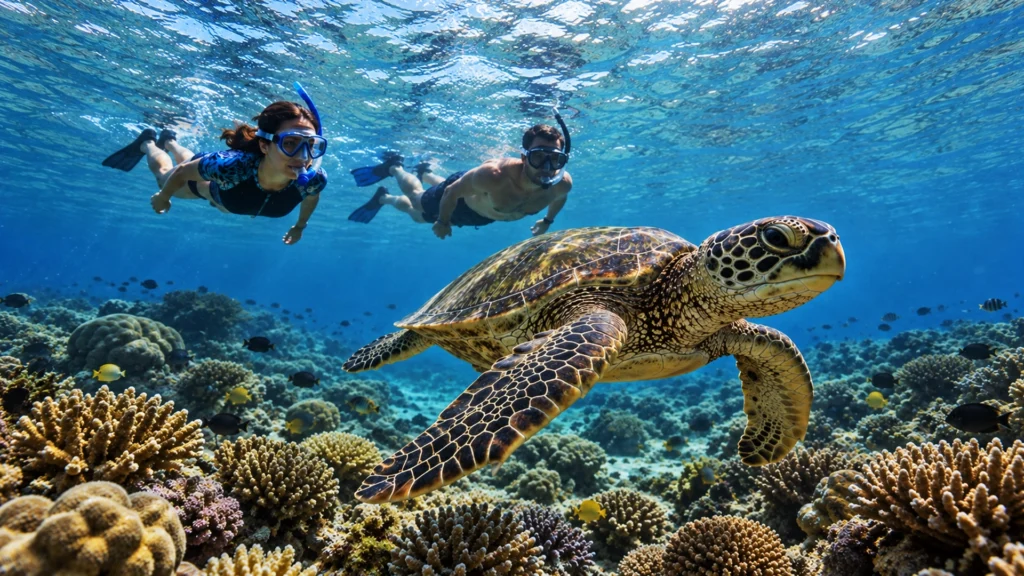
The surrounding waters support marine habitats and wildlife, although the sandbar itself should not be confused with a coral reef or a dedicated snorkelling sanctuary.
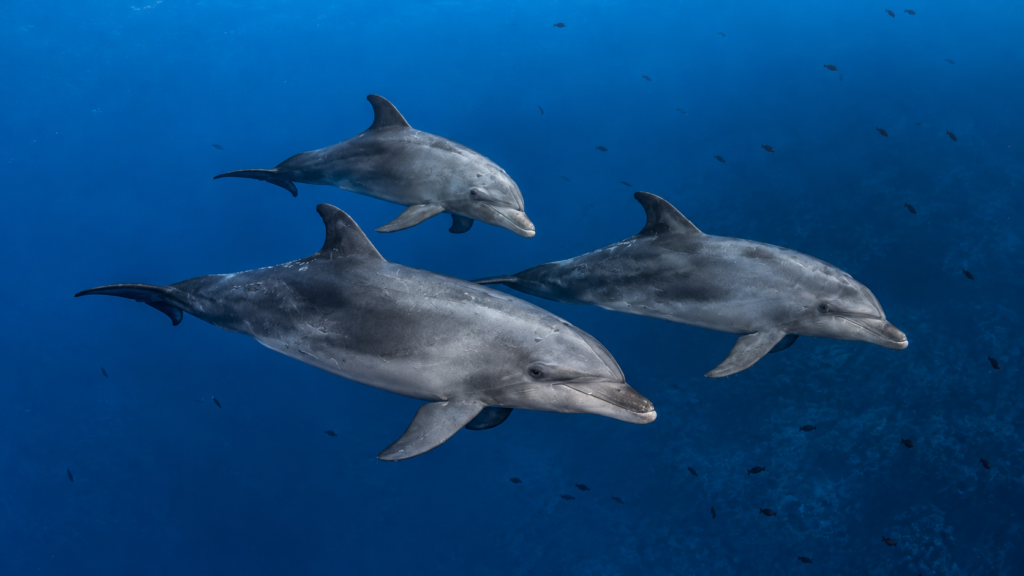
One of the region’s best known wildlife experiences is dolphin watching, with excursions operating from the Bais area into the wider waters of Tañon Strait.
These trips are frequently associated with visits to Manjuyod Sandbar, but they are distinct activities. Dolphin watching takes place offshore, where boats search for wild animals in their natural habitat, while the sandbar offers a more stationary experience focused on the coastal landscape.
Sightings are never guaranteed. The presence and behaviour of dolphins depend on natural conditions, and responsible operators should maintain appropriate distances and avoid disturbing the animals.
Visitors interested in both experiences can enquire about combined excursions, subject to weather, sea conditions and local operating arrangements.
A Different Perspective on Negros Oriental
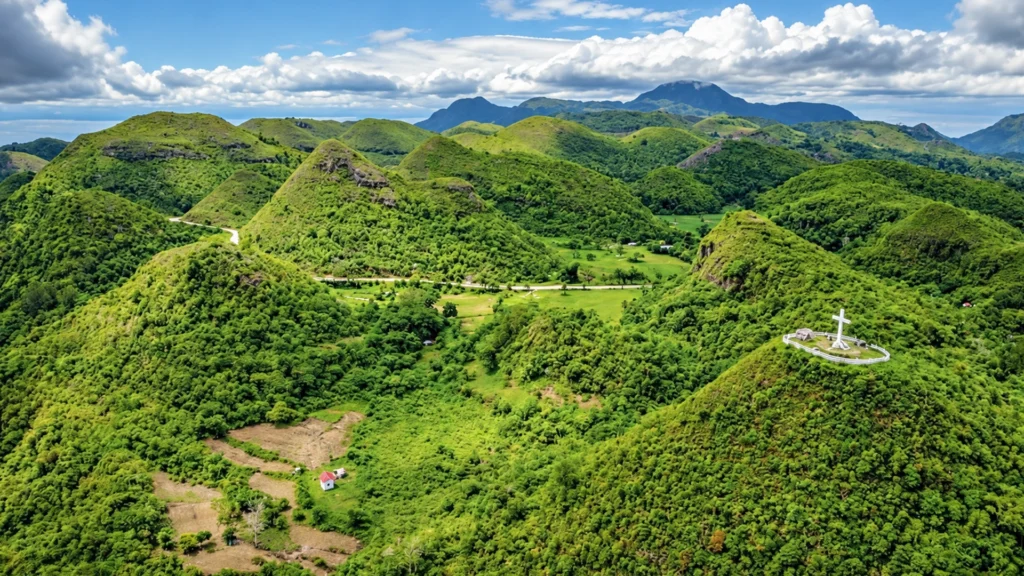
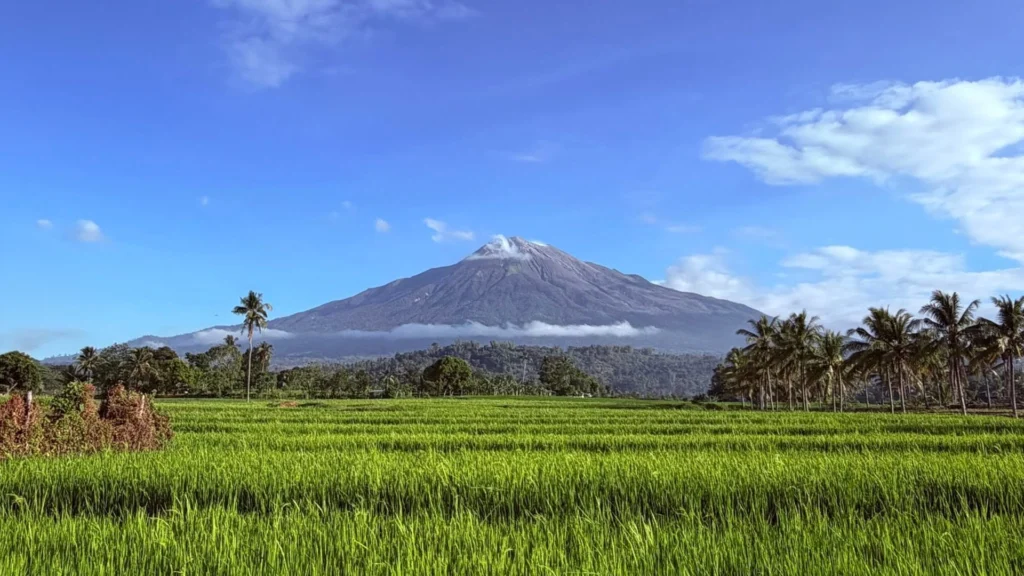
Much of Negros Oriental’s appeal comes from the variety of landscapes found within a relatively compact region. Mountain communities, agricultural valleys, historic towns, coastal settlements and marine environments each contribute something different to the experience of the province.
Manjuyod Sandbar adds another dimension. Its appeal is closely connected to the rhythms of the natural environment rather than to permanent structures or conventional resort facilities.
For visitors, it provides an opportunity to experience the coastal geography of northern Negros Oriental. For those considering a longer stay or a home in the province, it illustrates the range of excursions available beyond the immediate surroundings of Dumaguete and Dauin.
From the inland hills around Tala to the tidal shallows of Bais Bay, these contrasting landscapes help define the wider character of Negros Oriental.