When executing a multi-decade property investment, a developer must look far beyond immediate visual appeal and analyze long-term physical risk. In tropical island environments, climate risk is a critical variable that directly impacts an asset’s capital preservation.
Coastal real estate across Southeast Asia faces growing structural threats, including rising sea levels, storm surges, beach erosion, and increasingly severe monsoonal weather patterns.
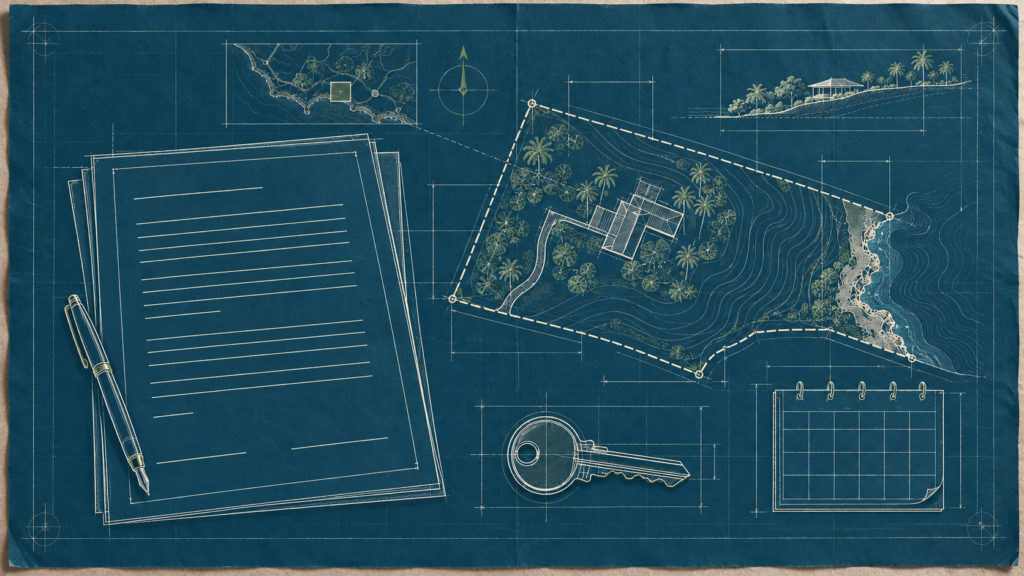
For Tala Residences in Dauin, risk mitigation is integrated directly into the property’s geographical positioning.
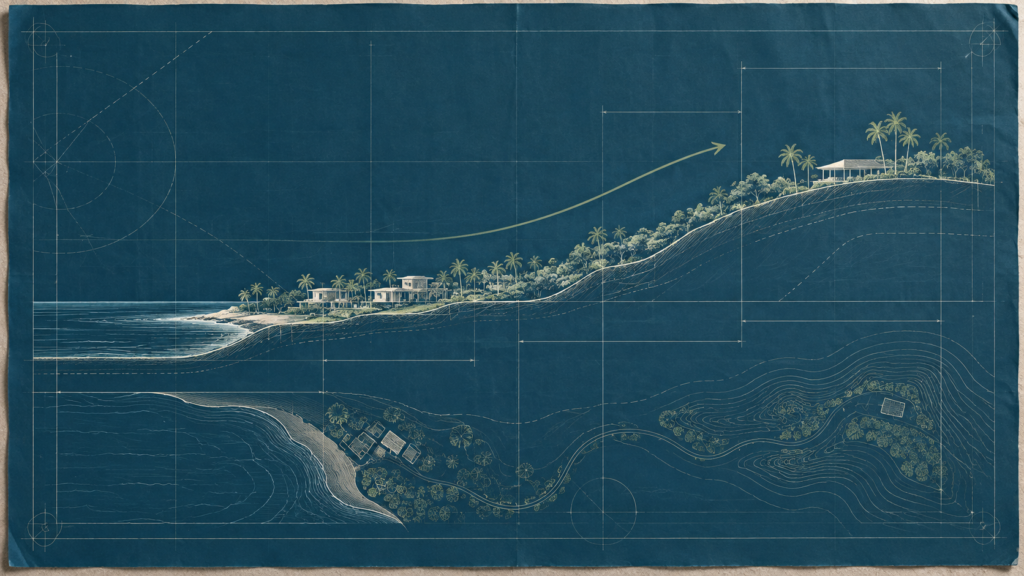
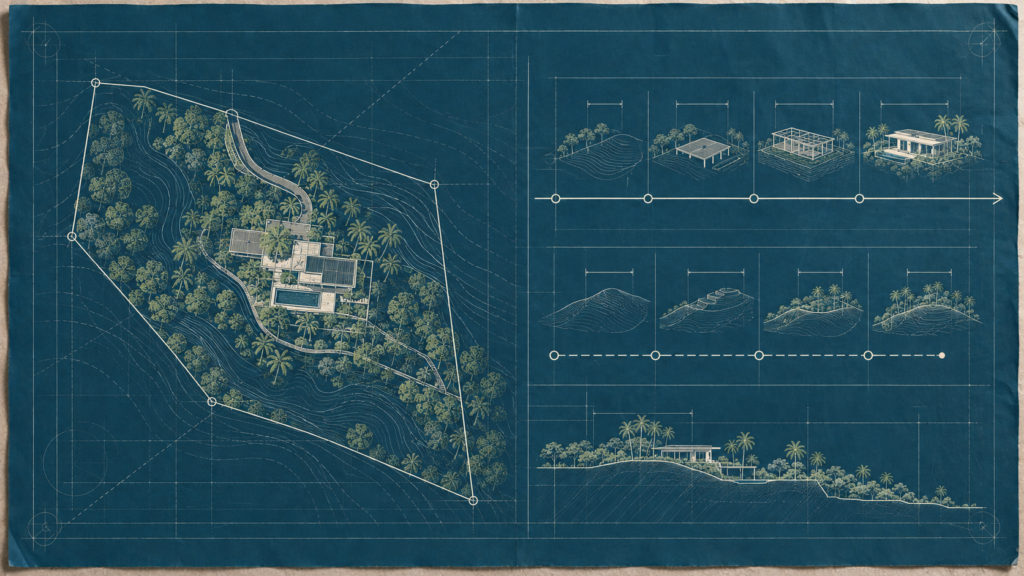
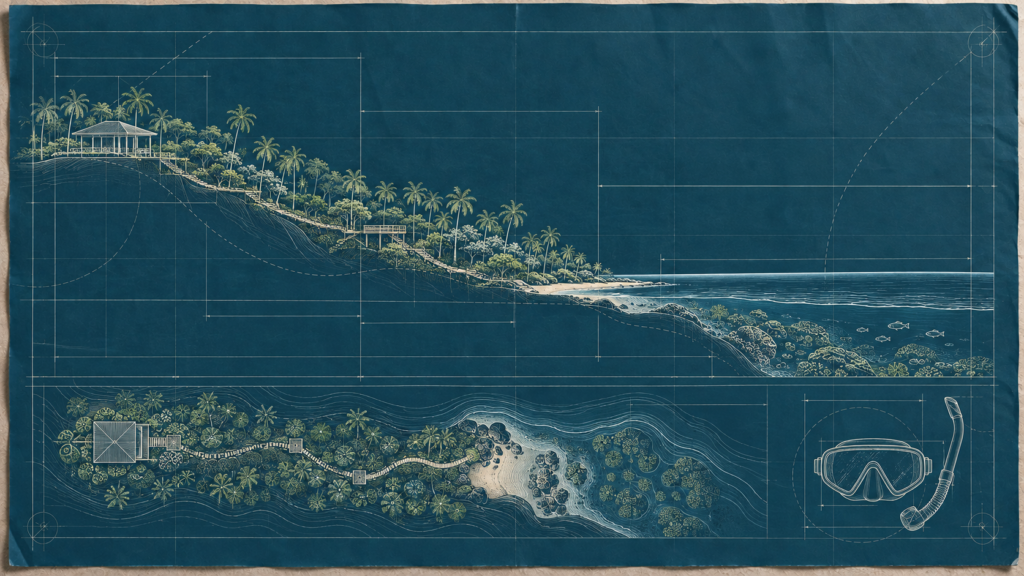
By placing the 16,000-square-meter master plan on an elevated inland ridge line rather than the low-lying coast, the development moves away from the vulnerabilities affecting traditional beachfront investments.
This strategic placement provides long-term topographical insulation, ensuring the physical security and asset integrity of the estate for generations of business partners and residents.
The Physical Vulnerabilities of Saturated Coastal Strips
To understand the value of topographical insulation, one must examine the accelerating costs borne by single-topography beachfront resorts. Saturated coastal corridors in destinations like Panglao or Siargao are exposed to direct marine weather interaction.
Beachfront properties are subject to a constant cycle of environmental depreciation.
Wave action and rising sea levels can cause severe coastal erosion, often requiring regular, expensive beach reclamation projects and the construction of intrusive seawalls.
During peak monsoon seasons or severe tropical depressions, low-lying coastal roads and coastal structures face the immediate threat of storm surges and saltwater inundation, which can cause significant structural damage and disrupt resort operations.
These recurring climate challenges introduce substantial financial burdens for coastal investors, including rising insurance premiums, high ongoing maintenance costs, and capital expenditures for structural reinforcements.
On the shoreline, a developer must constantly spend capital to defend the physical land from the sea, creating an unpredictable operational cost baseline.
The Triple Shield of Negros Oriental’s Topography
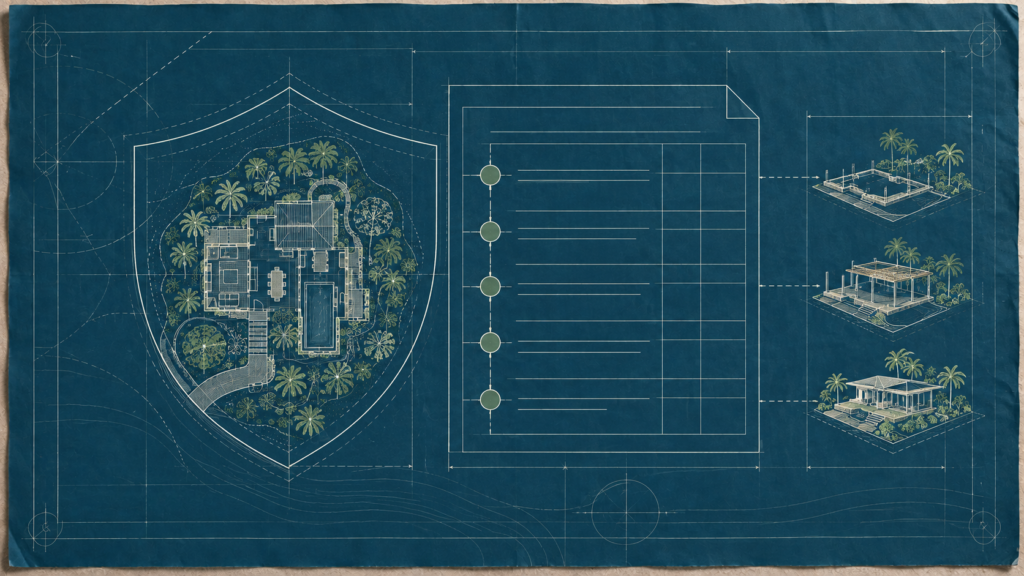
Tala Residences bypasses these coastal liabilities by utilizing a distinct geographical layout that protects the property on three levels: macro, regional, and micro.
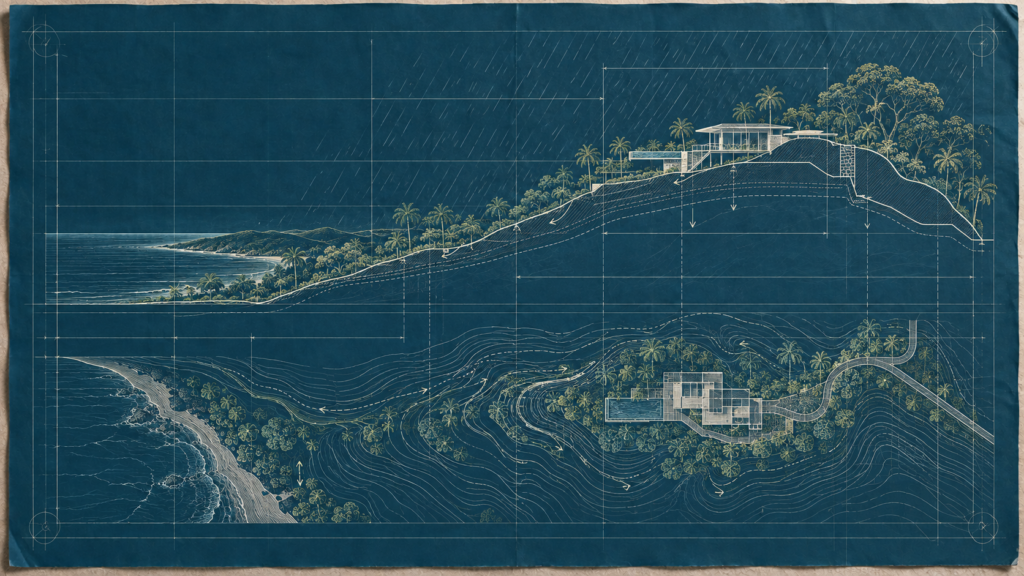
The protective hierarchy operates through an integrated system: the Macro Shield utilizes regional geography to place the island behind protective landmasses; the Regional Shield relies on mountain barriers to block monsoonal winds; and the Micro Shield uses absolute elevation to eliminate coastal exposure entirely.
At the macro geographical level, Negros Oriental sits safely within the interior core of the Visayan archipelago.
Unlike Siargao or the eastern coast of Luzon, which face the open Pacific Ocean and take the direct brunt of major typhoons, Dauin is naturally shielded by the large landmasses of neighboring Cebu, Bohol, and Mindanao.
Symmetrically, at the regional level, the steep volcanic peaks of the Mount Talinis mountain range rise directly behind the property, acting as a windbreaker that deflects severe westerly monsoonal winds (Habagat).
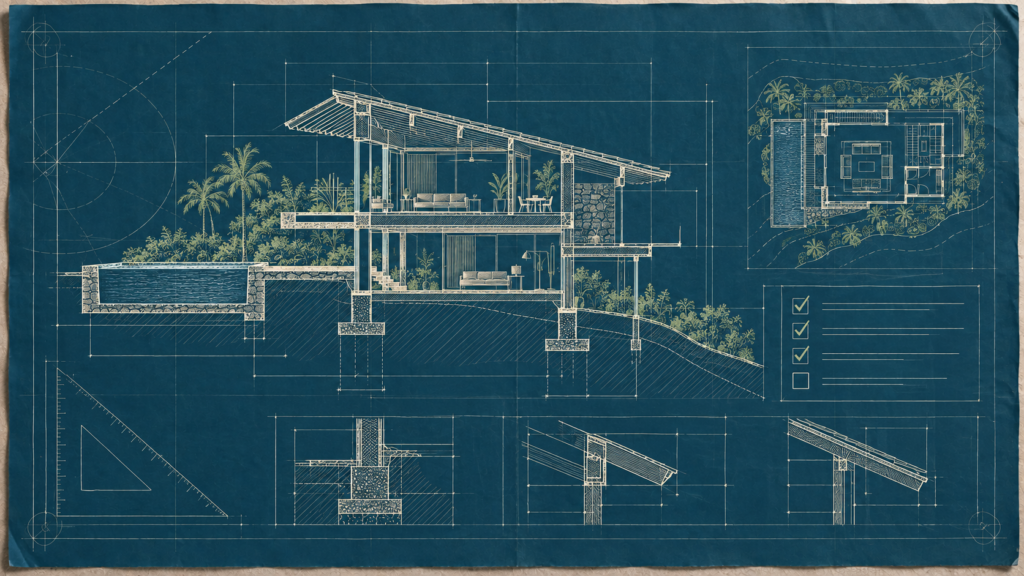
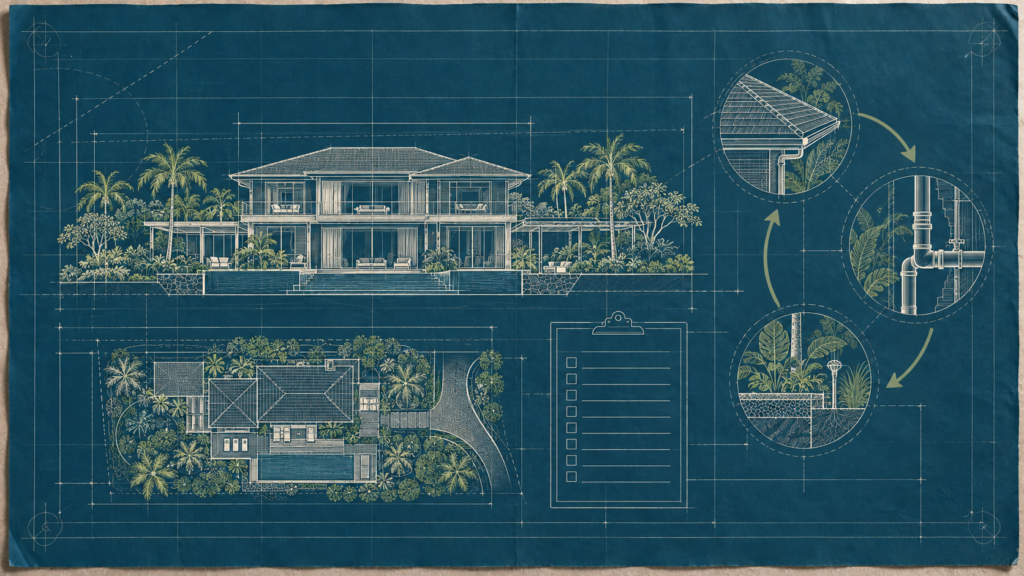
Finally, at the micro property level, the estate sits on a solid 125-meter ridge line located 2.5 kilometers inland. This significant elevation completely eliminates the risk of storm surges, coastal flooding, and beach erosion, while the natural slope provides highly efficient gravity drainage during heavy rainfall.
Protecting Long-Term Capital for Partners
From an institutional investor’s perspective, this climate-resilient engineering delivers clear financial and defensive advantages for project partners.
First, it significantly reduces property insurance and maintenance costs.
Because Tala Residences is topographically insulated from major marine hazards, the property qualifies for more favorable structural insurance rates compared to high-risk beachfront alternatives.
By avoiding constant exposure to sea spray and salt air, the long-term maintenance costs for the villa structures, glass frames, and landscaped grounds are drastically lower.
Second, it guarantees permanent asset value.
For a project designed to transition from a high-yield hospitality engine into permanent retirement estates, physical permanence is a key requirement. While adjacent beachfront lots face changing shorelines, Tala’s ridge line remains stable and secure.
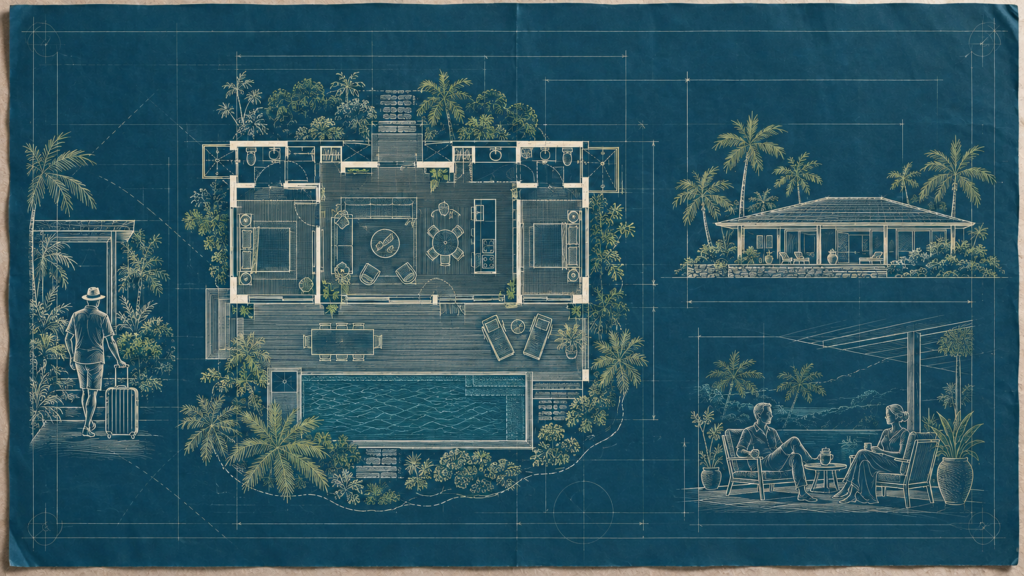
Each of the six villas retains its permanent, unobstructed 180-degree view corridor over the Bohol Sea and the Apo Island Marine Sanctuary, entirely unaffected by coastal changes below.
Ultimately, long-term real estate success depends on smart geography.
By choosing an elevated mainland ridge supported by a multi-layered natural shield, Tala Residences converts an exceptional viewpoint into an asset protection strategy.
For business partners, this topographical insulation de-risks the physical development pipeline, turning climate resilience into a reliable driver of sustainable capital preservation over generations.