In the global experiential tourism market, a significant shift has occurred: affluent travelers are increasingly moving away from passive leisure in favor of intellectual, creative, and culinary immersion.
Today’s premium demographic seeks destinations that offer authentic cultural narrative, skill acquisition, and creative stimulation. For independent developers, the key to capturing this market lies in aligning a property with the unique cultural gravity of its surrounding region.
As business professionals, we recognize that neighboring destinations often overlook this high-yielding sector.
While other islands focus almost entirely on beach tourism, Tala Residences in Dauin is uniquely positioned to capitalize on its proximity to Dumaguete City, an established educational hub and the first city in the Philippines to be designated as a UNESCO Creative City of Literature.
By designing the estate as a high-end creative and culinary forge, Tala converts this regional cultural pedigree into a highly profitable, all-season revenue stream.
Moving Beyond the Traditional Resort Activity Paradigm
Most luxury resorts treat local culture and activities as minor, secondary amenities. A standard hotel might offer a brief, generic cooking demonstration or display mass-produced local crafts in their gift shop.
These offerings fail to engage the modern experiential traveler, who views culture as the primary driver of their journey, not an afterthought.
Furthermore, traditional hospitality operators often struggle to monetize these activities effectively.
Because their infrastructure is optimized solely for room turnover and standard food and beverage operations, they lack the specialized spaces required to host immersive, multi-day workshops.
When a resort cannot provide a dedicated, quiet environment for creative work, it misses out on a lucrative niche market of travelers who are willing to pay a premium for structured, high-value educational experiences.
Creating an Elegant Cultural Incubator on the Ridge
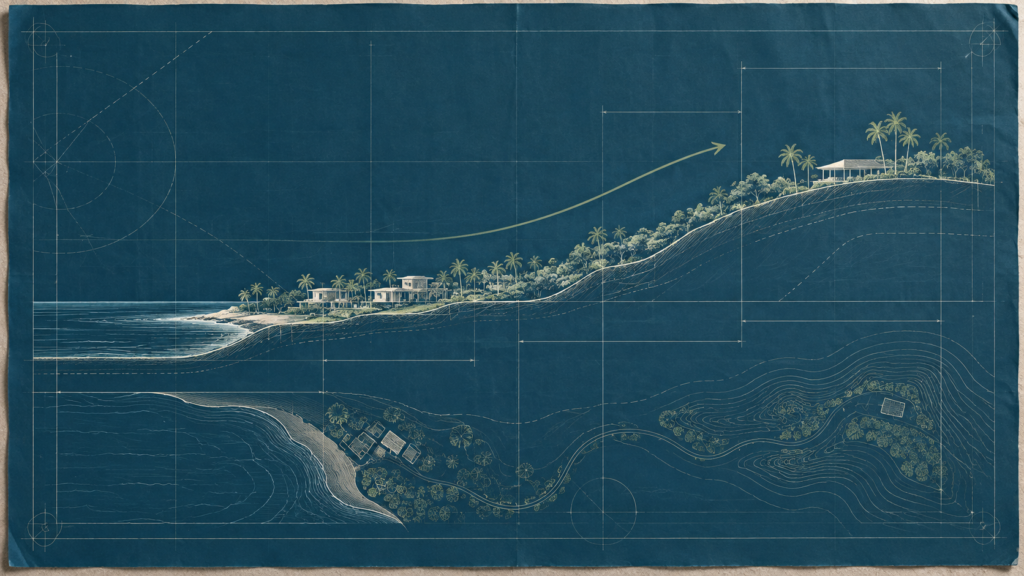
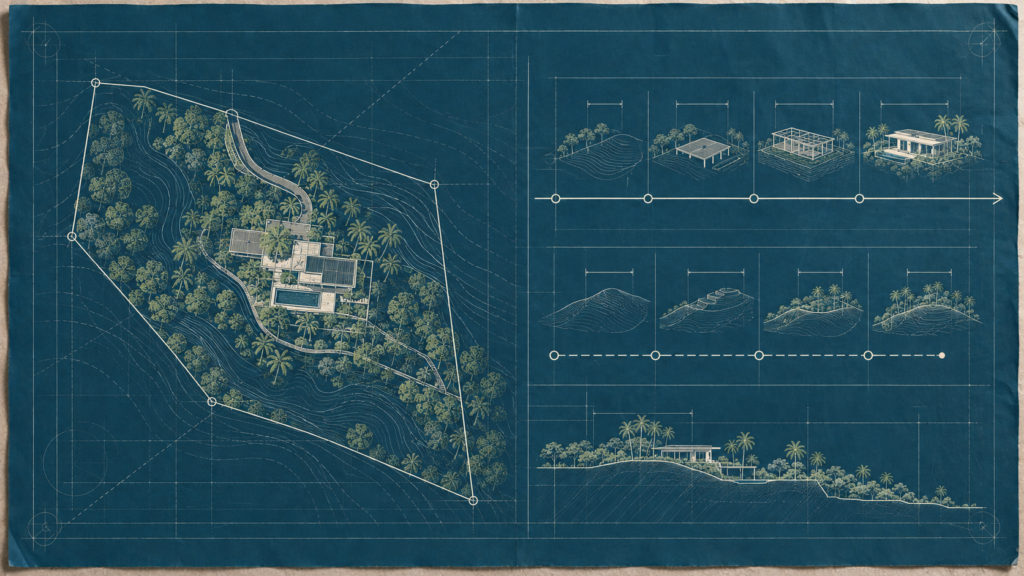
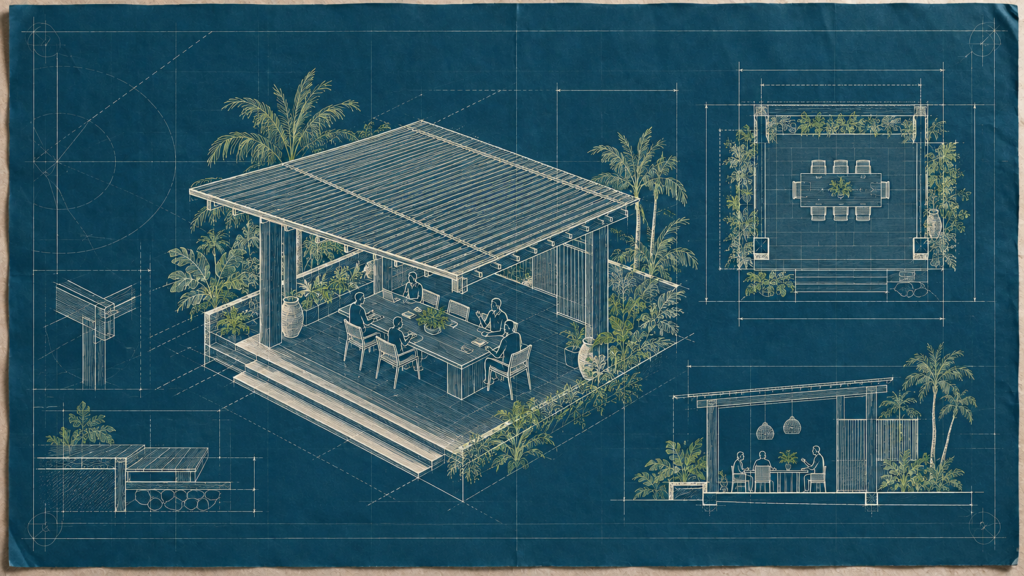
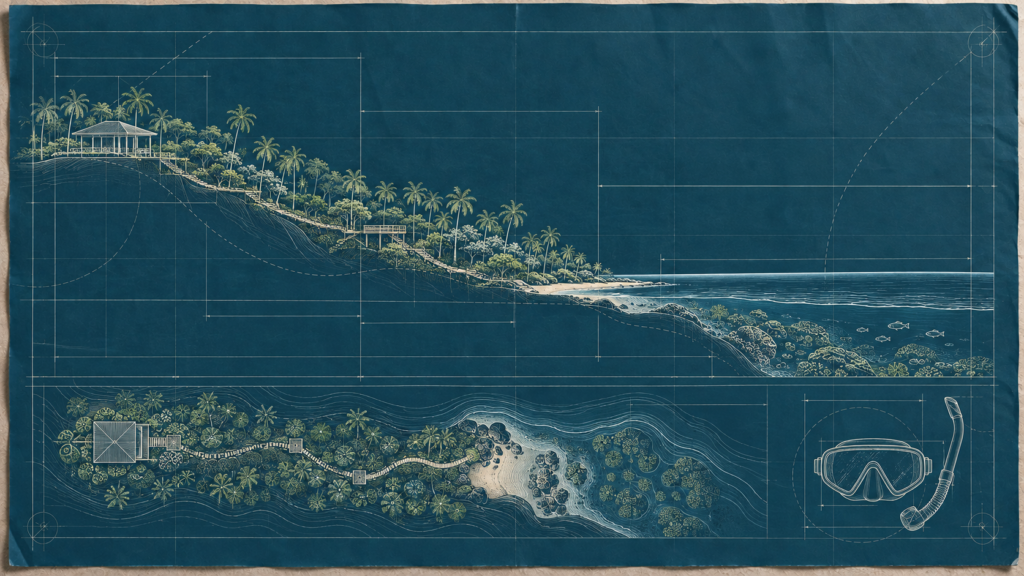
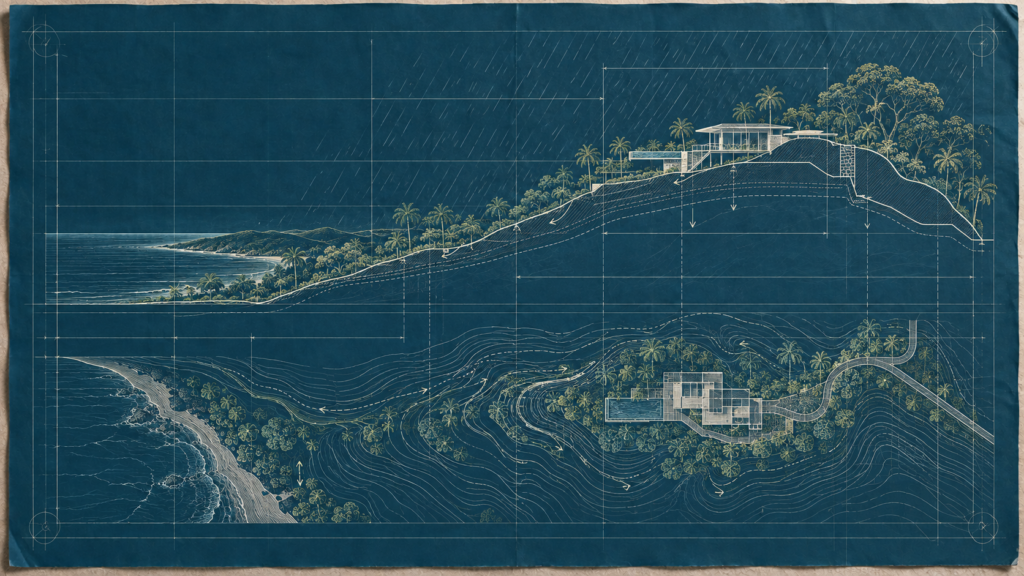
Tala Residences solves this infrastructure gap by utilizing its 16,000-square-meter elevated ridge to build a dedicated platform for creative and culinary arts. The physical configuration of the estate allows it to function beautifully as an exclusive, low-density cultural campus.
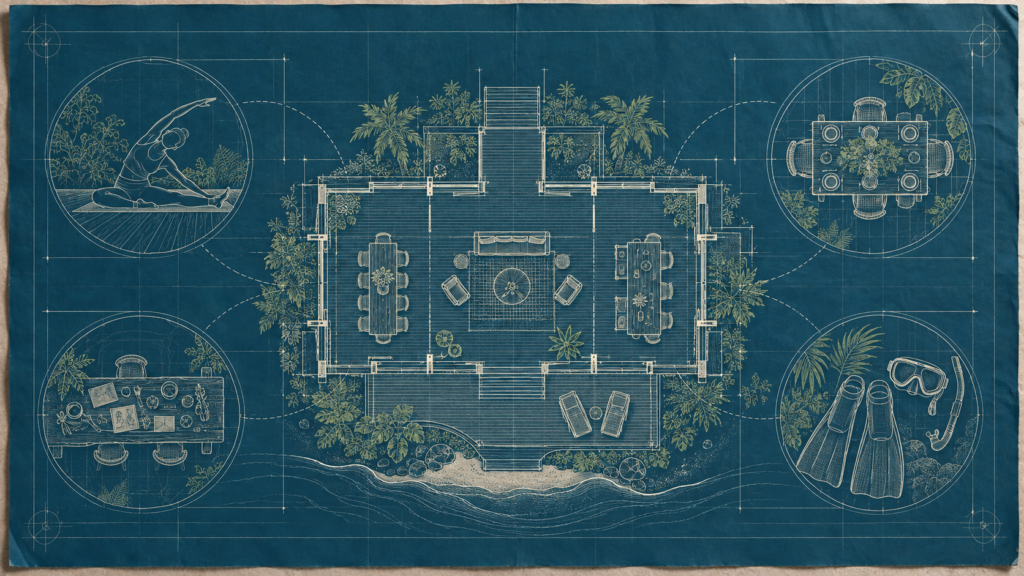
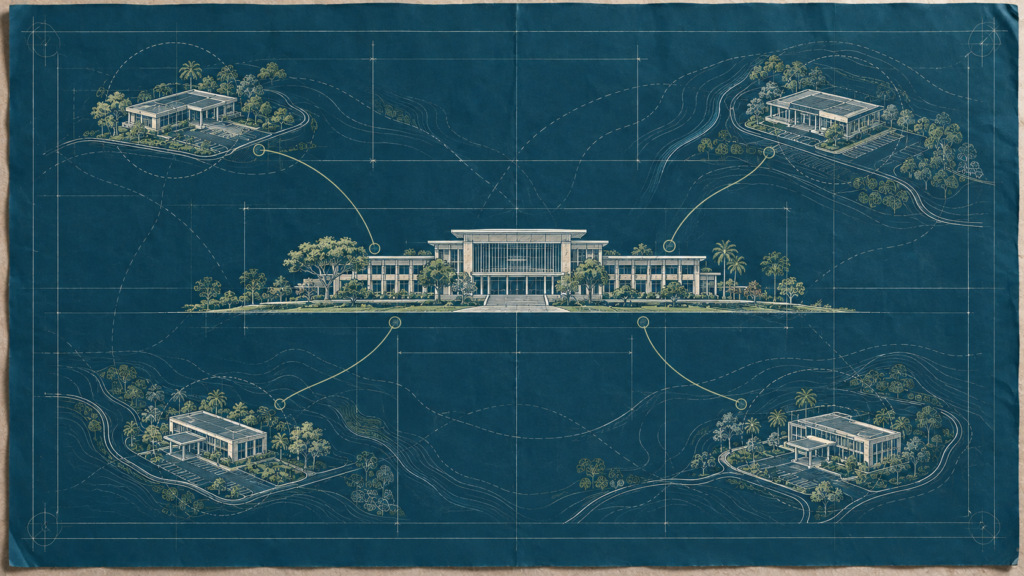
The operational framework divides the property functionally: the Central Hacienda contains the primary culinary forge and professional gastronomy studios; the six luxury casitas serve as private residential art and writing suites; and the 125-meter ridge creates an isolated, quiet setting for deep artistic focus.
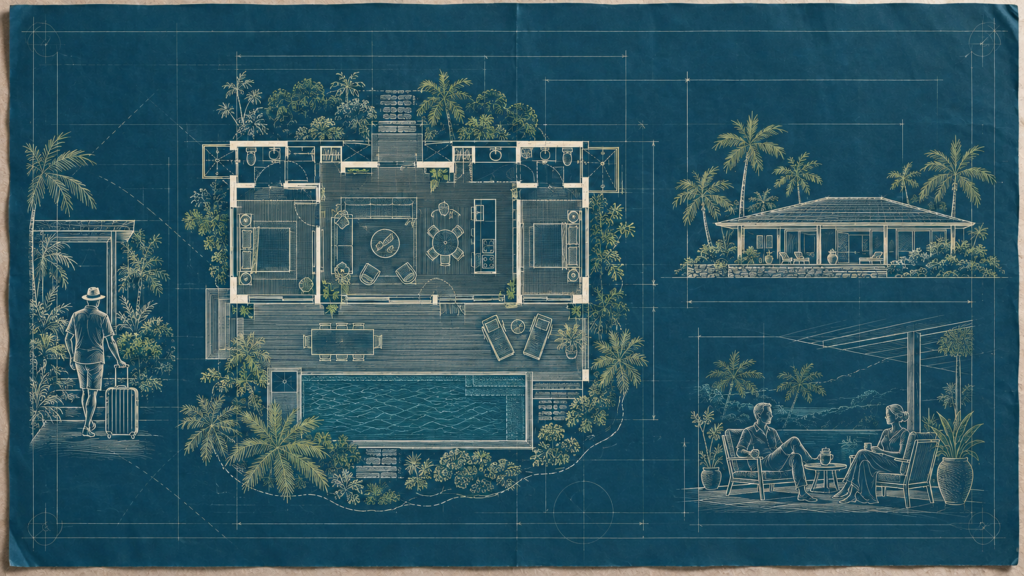
The estate’s large, 400-square-meter three-bedroom villas provide the ideal spatial layout for hosting elite, small-group residencies.
A single villa can easily accommodate a small cohort of artists, writers, or culinary students, providing them with spacious breakout zones for collaborative work, alongside private en-suite bedrooms and plunge pools to rest and recharge.
The central hacienda serves as the primary operational anchor for these premium cultural programs, engineered to host a variety of high-end, structured experiences.
The literary and arts forge capitalizes on Dumaguete’s UNESCO pedigree by hosting curated writing retreats, poetry masterclasses, and indigenous arts-and-crafts workshops led by prominent regional and international figures.
The quiet, elevated ridge setting provides the absolute silence and unobstructed views necessary for deep creative focus.
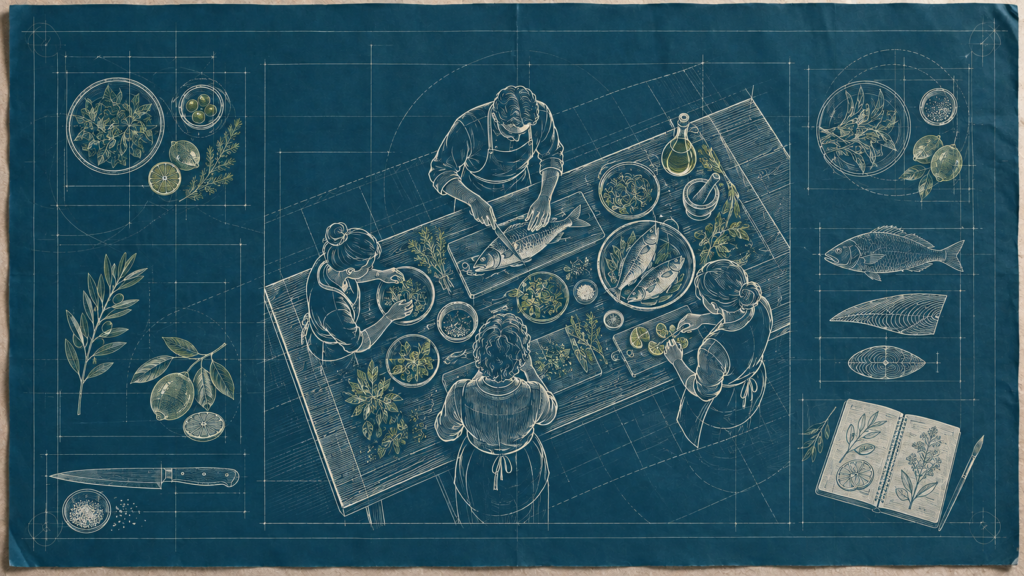
Concurrently, the culinary academy transforms the central kitchen into a state-of-the-art gastronomy studio, letting guests engage in immersive, farm-to-table culinary programs that highlight the rich, unique biodiversity and agricultural heritage of Negros Oriental.
The Financial Benefits of Experiential Packaging
From an investment standpoint, transforming Tala Residences into a cultural incubator significantly alters the property’s financial performance. This strategy targets a highly resilient, affluent demographic that is completely insulated from traditional tourist seasons.
First, it enables premium, all-inclusive packaging. Rather than selling individual room nights, Tala markets these specialized workshops as comprehensive, high-ticket experiential packages.
A single guest contract covers luxury accommodation, curated materials, masterclass tuition, and elite culinary offerings. This multi-day packaging significantly increases the property’s revenue per occupied room (RevPAR) compared to standard leisure bookings.
Second, it leverages Dumaguete’s cultural ecosystem to lower marketing costs. By tapping into the established academic, literary, and artistic networks of nearby universities, Tala can easily source exceptional local talent, lecturers, and artisans. This allows the estate to deliver an authentic, world-class educational product while maintaining highly efficient operational margins.
Ultimately, by treating culture as a key structural asset, Tala Residences establishes a sophisticated, recession-defensive hospitality model. It leverages Dumaguete’s UNESCO designation to transform an elite geographical position into a vibrant center for creative and culinary mastery.
For business partners, this strategy ensures a highly consistent, year-round operational flow, converting global demand for authentic cultural immersion into long-term financial success.