In boutique real estate development, a project’s financial feasibility is frequently won or lost long before the first vertical structure is framed.
For independent developers and business partners looking at the Philippine island landscape, evaluating raw land costs is only the first step.
The more critical, and often hidden, variable is the logistical friction of the construction phase.
Contrasting the infrastructure realities of remote islands with the mainland connectivity of Dauin, Negros Oriental, reveals a compelling case for Tala Residences based on capital expenditure (CapEx) efficiency.
The Island Premium: Sunk Costs in Remote Ecosystems
To understand the mainland advantage, one must look at the hidden financial penalties of developing on popular, isolated islands like Siargao.
Siargao has achieved remarkable success as a lifestyle brand, but from a construction logistics standpoint, it presents significant financial challenges.
Because the island lacks heavy manufacturing and deep-water commercial ports, nearly every premium building material, from structural steel and glass to specialized finishes and solar infrastructure, must be shipped from mainland hubs via multi-staged barge transport.
This reliance on island supply chains introduces substantial cost penalties.
Logistical inflation through shipping, handling, and double-handling fees routinely adds a 20% to 35% premium to basic material costs compared to mainland baselines.
Weather-dependent sea transit frequently disrupts delivery schedules, extending construction timelines and increasing soft costs.
More, because local municipal utility grids are often unstable, a developer must invest heavily in off-grid infrastructure.
Sinking capital into backup generators, solar arrays, and industrial-grade water filtration consumes a significant portion of the budget before vertical construction even begins.
On an isolated island, a substantial share of a partner’s capital is spent on basic civil engineering and logistical survival, rather than on revenue-generating luxury square footage.
Saturated Footprints: The High Price of Institutional Readiness
On the other hand, a highly institutionalized island destination like Panglao, Bohol, offers strong connectivity via its international airport and bridge links to the mainland.
However, this infrastructure readiness comes with a different kind of financial penalty: spatial saturation and structural constraints.
Because Panglao’s flat, limestone topography is rapidly being absorbed by high-density corporate resorts, the remaining independent plots are often restricted in terms of design and layout.
To compete with institutional funds, a developer on the shoreline faces high upfront costs for deep-pile foundations and environmental compliance buffers near crowded coastal zones.
Furthermore, because the island is mostly flat, securing a permanent, uncompromised view corridor requires vertical construction, such as high-rise concrete frames.
This shifts the development away from the low-density, horizontal luxury layout that high-end lifestyle travelers and retirees actively seek.
The Dauin Synthesis: Mainland Costs with Island Appeal
Dauin sits in a distinct operational sweet spot, combining the raw lifestyle appeal of an island destination with the logistical efficiency of a major mainland infrastructure corridor.
In terms of the construction logistics pipeline, a remote island like Siargao requires barge transit leading to a 30% premium, and a saturated hub like Panglao features a highly competitive core with elevated base costs.
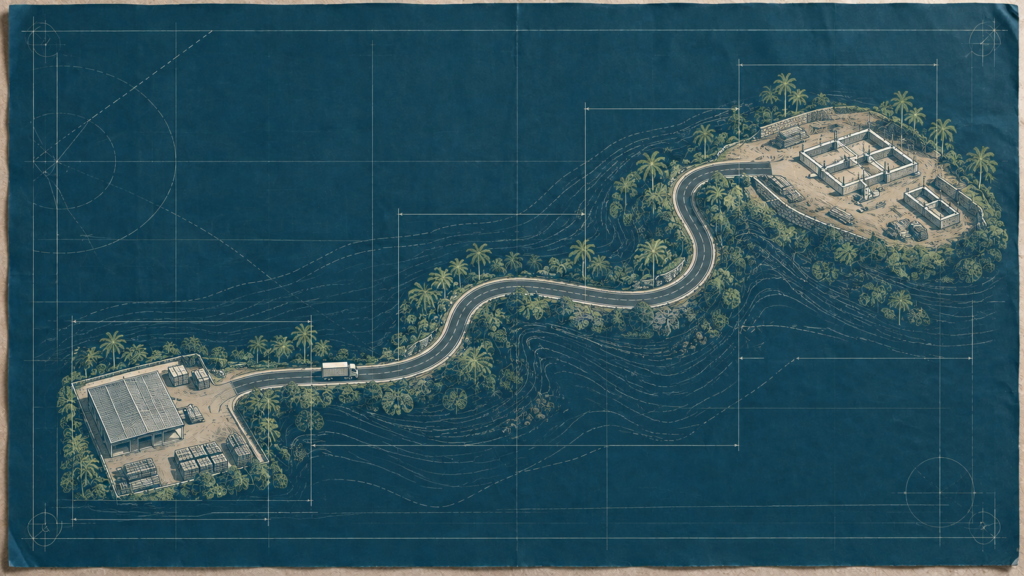
Meanwhile, a mainland ridge in Dauin allows for direct supply with zero transit friction.
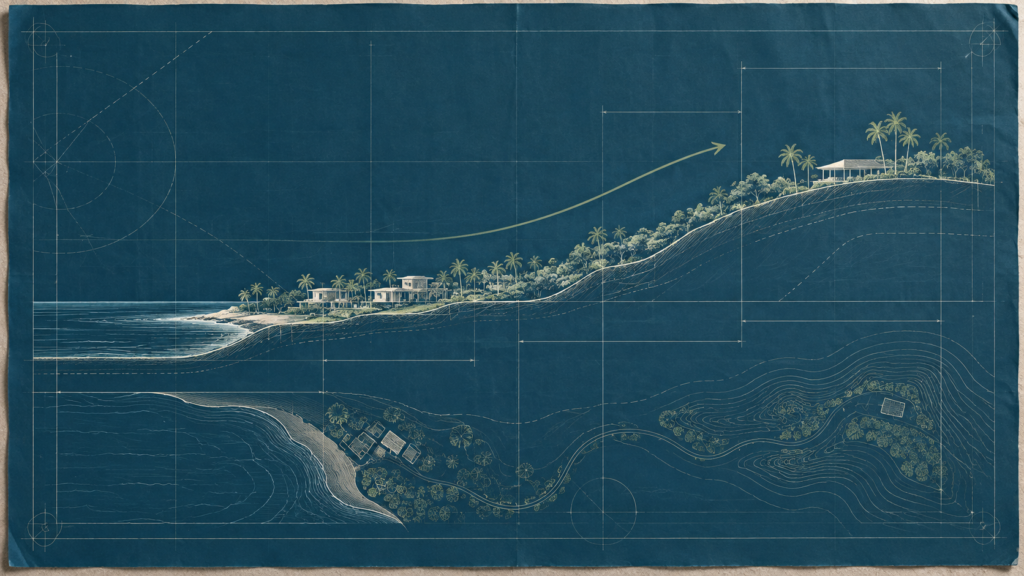
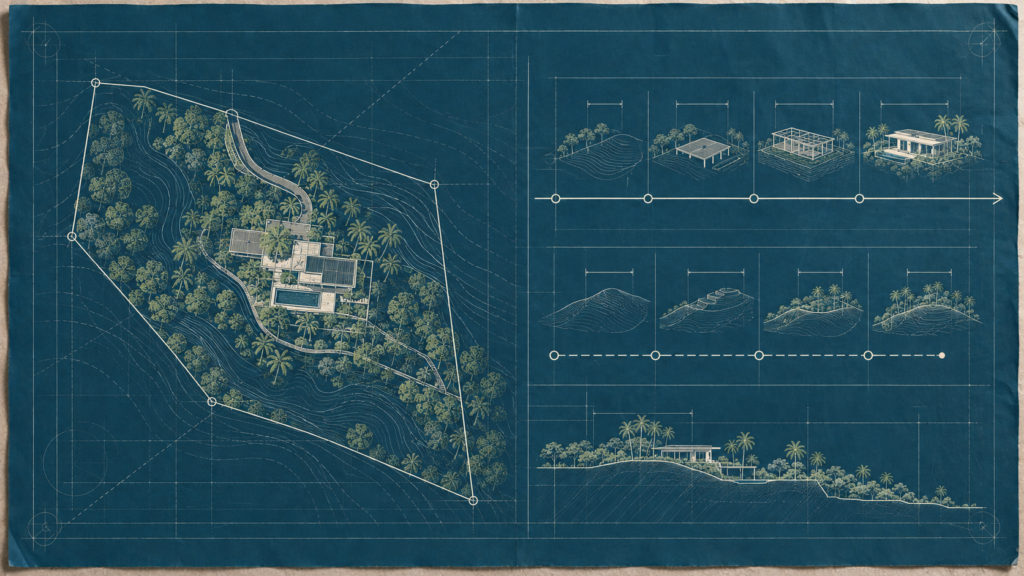
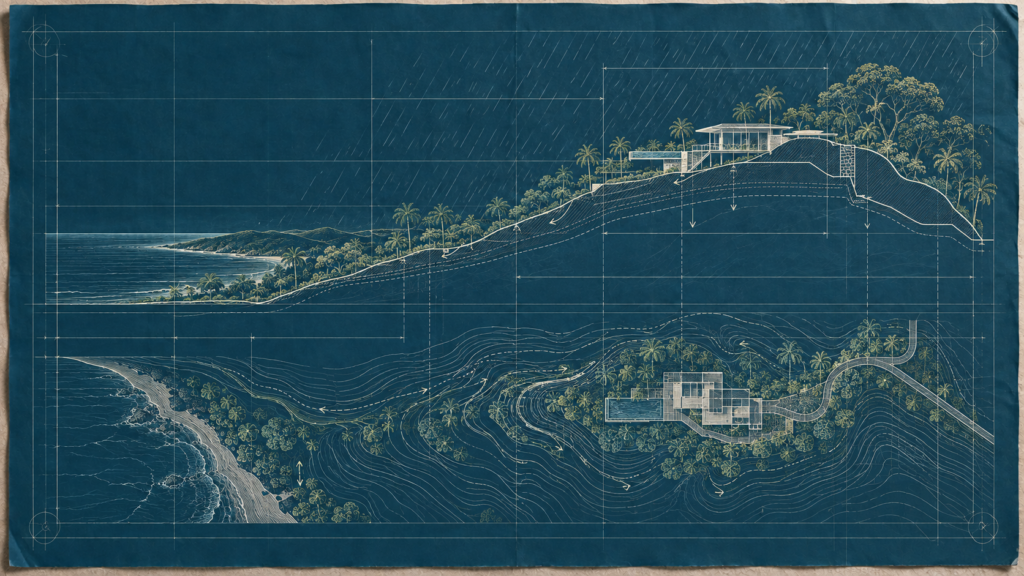
The ridge line allocated for Tala Residences bypasses the supply chain constraints of island builds.
Negros Oriental is a connected mainland province with established deep-water ports, commercial concrete batching plants, and direct highway access from regional supply hubs.
Materials arrive via standard overland transport, eliminating barge fees, marine insurance premiums, and weather delays.
Additionally, the ridge plot features direct access via a fully paved municipal road, with main-line electricity and water infrastructure already running to the boundary.
This infrastructure integration ensures that 100% of a partner’s capital goes directly into vertical, high-margin assets.
Maximizing the Capital Expenditure Dollar
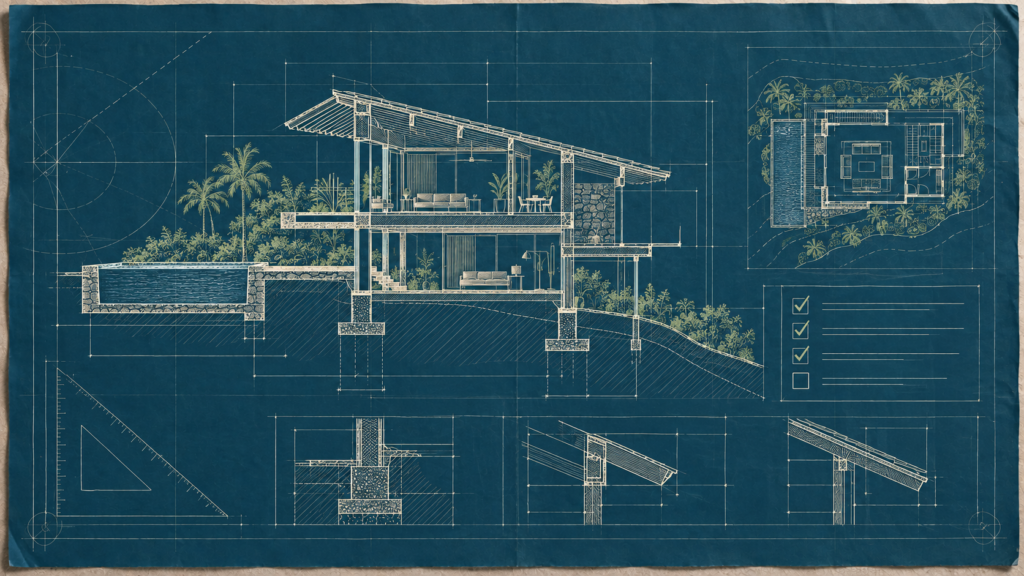
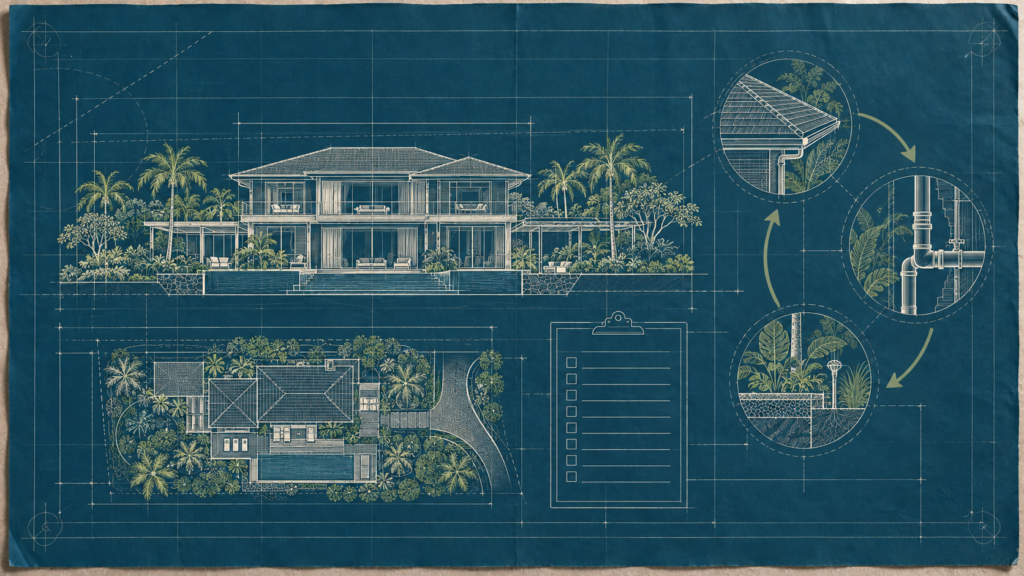
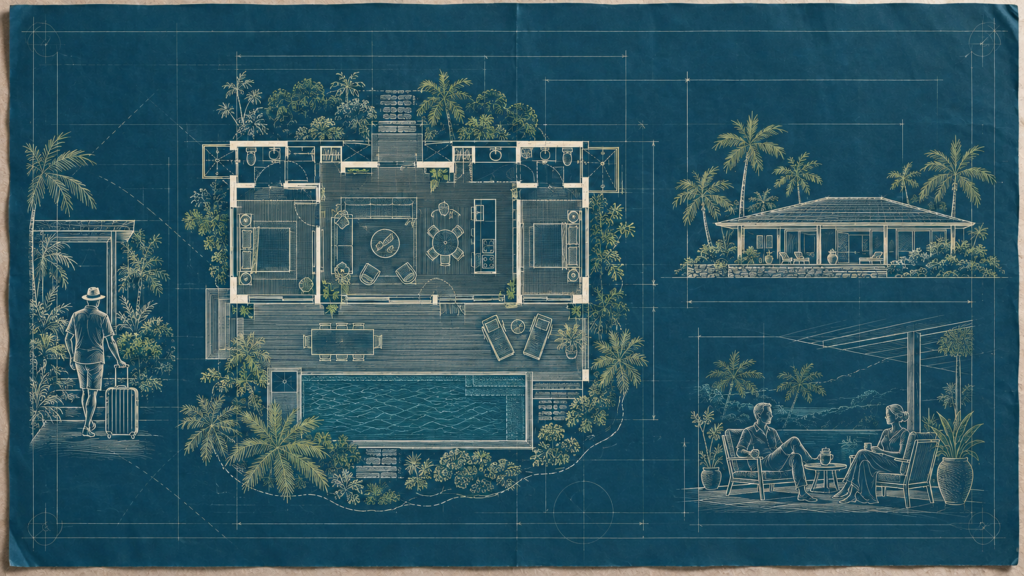
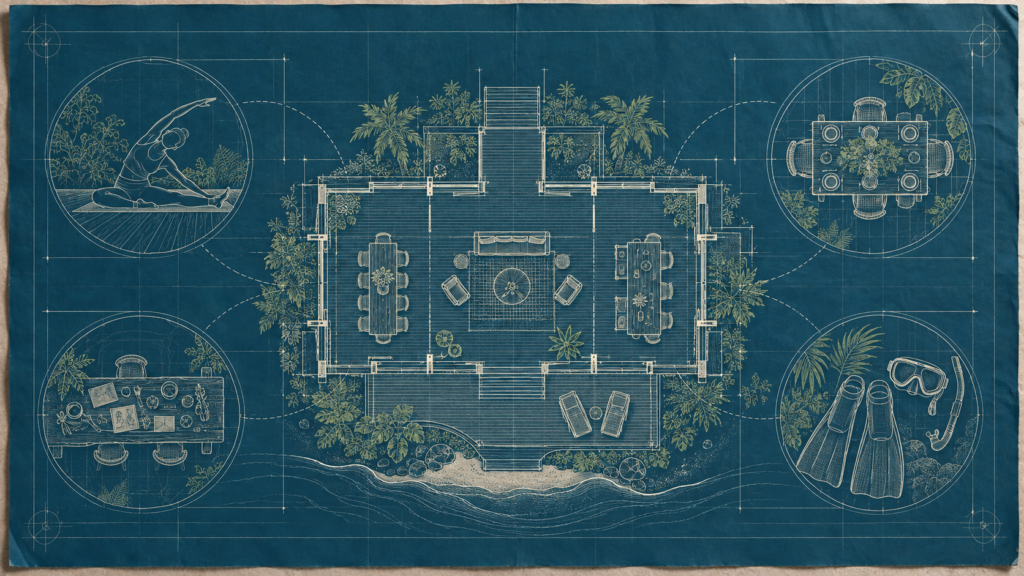
For the Tala Residences model, which features large, two-storey three-bedroom villas of approximately 400 square meters, this logistical efficiency dramatically increases construction margins.
By building on a mainland ridge where construction costs average a predictable $600 to $800 per buildable square meter for premium finishes, development capital is focused entirely on the guest experience.
Funds are channeled into high-end architectural elements like private infinity-edge plunge pools, expansive glass walls designed to frame the Bohol Sea, and custom native stone features.
Ultimately, geography dictates the efficiency of your investment dollar. By choosing a mainland ridge that overlooks an iconic destination like the Apo Island Marine Sanctuary, Tala Residences avoids the logistical costs of island development.
For strategic business partners, this translates to a compressed construction timeline, lower risk, and a highly efficient path from capital deployment to operational revenue.