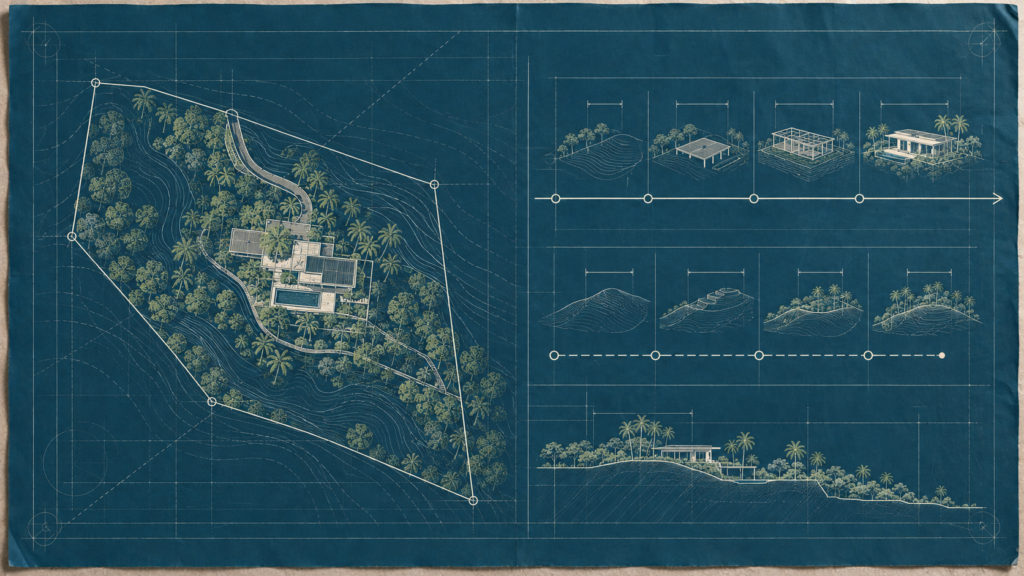
Purchasing a property during its design or construction phase is a highly effective wealth-generation strategy in real estate. It allows sophisticated buyers to lock in introductory pricing and capture substantial equity appreciation by the time the keys are handed over.
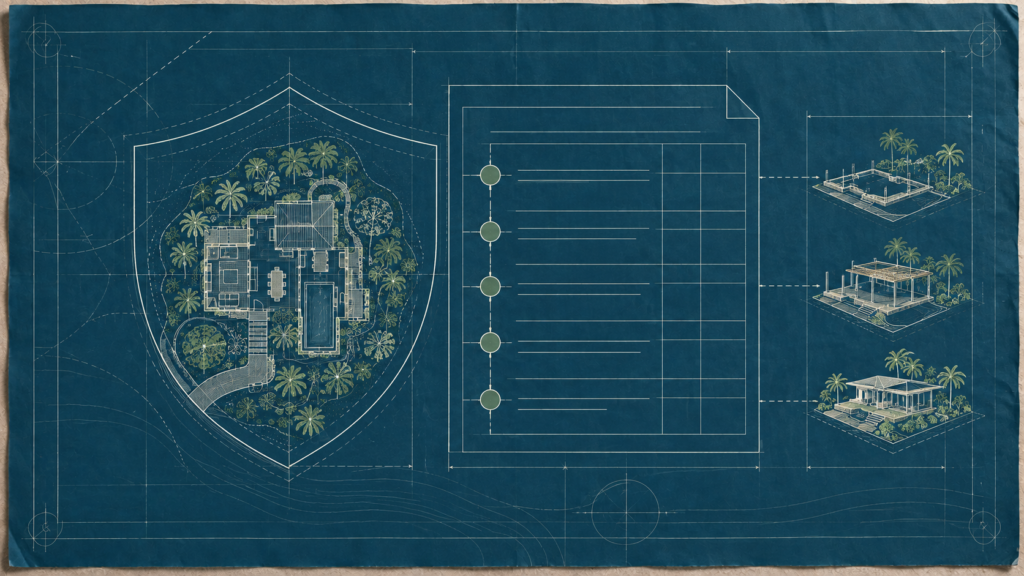
To maximize investor confidence during this pre-completion phase, the Philippines has established an aggressive investor-protection framework. Governed by Presidential Decree No. 957 (PD 957), also known as The Subdivision and Condominium Buyers’ Protective Decree, this system transforms the off-plan market into a highly secure and predictable investment environment.
For a premier developer, the strict compliance checkpoints outlined under PD 957 are a major selling feature to demonstrate project legitimacy.
Before a developer can accept earnest money or market a project, the development must pass a comprehensive vetting process enforced by the Department of Human Settlements and Urban Development (DHSUD). This rigorous gatekeeping mechanism ensures that consumer protection is treated with the utmost institutional importance.
The Certificate of Registration and License to Sell
The developer must first register the entire project blueprint with the DHSUD, submitting absolute proof of unencumbered land ownership, approved engineering designs, local zoning clearances, and environmental certificates.
Once registered, the developer is still barred from selling until they secure a specific License to Sell (LS). Under Section 4 and Section 5 of PD 957, no developer shall sell any unit in a registered project without securing a license to sell, which requires posting a performance bond to guarantee the construction and maintenance of the promised infrastructure.
This LS number serves as the ultimate badge of legitimacy, verifying the developer’s financial liquidity and track record before marketing begins.
The core financial shield of this framework lies in the mandatory Performance Bond, backed by tier-one commercial bank guarantees or certified surety bonds. This mechanism acts as an institutional insurance policy for the construction timeline.
If a developer faces a financial shortfall or fails to meet the milestones stamped into the contract, the government can call upon the bond to seize the escrowed funds. These funds are then used to either refund the investors in full or hire a replacement contractor to finish the project exactly as designed, ensuring the investor’s capital is fully protected by institutional heavyweights.
The Non-Forfeiture Shield and Price Protections
Furthermore, PD 957 introduces powerful price protections and consumer remedies that elevate buyer confidence during the construction phase:
- The Right to Desist (Section 23): If a developer fails to complete the building on time according to the approved schedule, the buyer holds the statutory right to completely stop making monthly equity payments. Crucially, the developer cannot cancel the contract, charge interest penalties, or forfeit previous payments.
- The 100% Refund Mandate: If the project faces a critical delay, the buyer can demand a total refund of all payments made, including amortization and down payments. Under the law, this refund must include legal interest, and the developer is barred from deducting administrative or processing fees.
- Protection Against Price Inversion: Once an off-plan contract is signed, the contract price is legally locked. The developer absorbs 100% of the macroeconomic inflation risk, meaning they cannot demand extra payments because the cost of steel, cement, or labor went up during construction.
By implementing these strict statutory checkpoints, developers provide a secure framework where buying a future asset is just as safe and reliable as purchasing a completed one.