When evaluating the long-term viability of an emerging property market, developers need sustainable structural frameworks that combine absolute investor security with respect for national sovereignty.
Across Southeast Asia, cross-border real estate transactions have historically been complicated by complex bureaucracy and land title ambiguities.
However, the legislative architecture of the Philippines provides an elegant solution.
By utilizing a modernized building-only framework, developers can deliver complete operational certainty to international business partners while preserving the long-term sovereign integrity of the underlying land.
This legal decoupling serves as a powerful mechanism to maintain investor confidence over multi-generational horizons. Rather than attempting to alter constitutional boundaries, the framework separates the underlying land from the structural asset built on top of it.
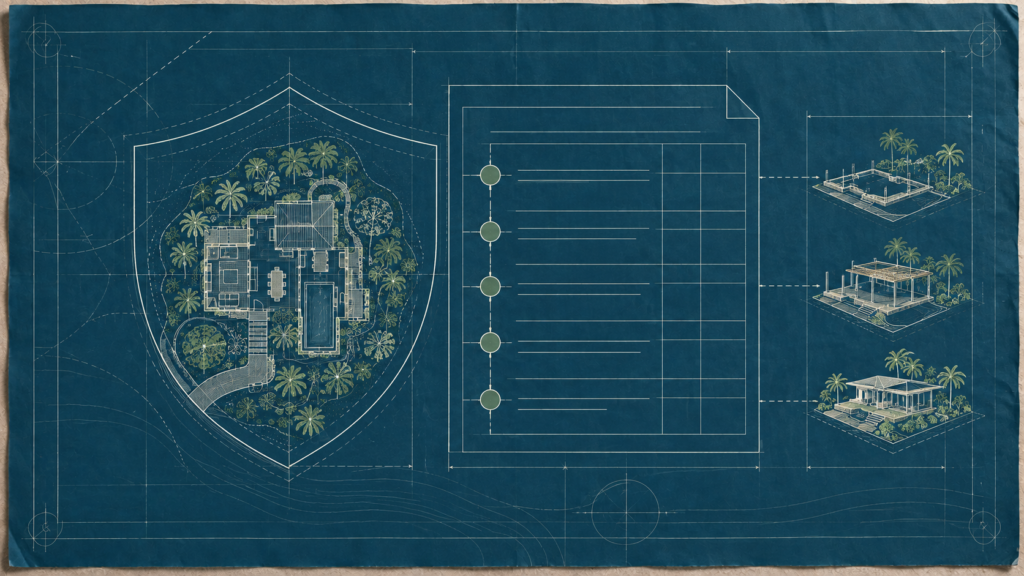
Under this model, 100% of the underlying land remains permanently, irreversibly, and completely in local hands. International participants do not purchase the soil. Instead, the mechanics allow them to acquire clear, unencumbered, multi-generational equity rights restricted entirely to the vertical or horizontal building infrastructure.
The 99-Year Operational Envelope
This arrangement mimics the highly successful property models of elite global financial hubs like Singapore and London. Under the modernized amendments to the Investors’ Lease Act via Republic Act No. 12252, the state extended the maximum lease envelope for qualified priority economic projects to an aggregate of 99 years. This long-term timeline allows developers to offer nearly a century of uninterrupted equity, utility, and modern infrastructure rights.
For the international investor, this structure eliminates the regulatory friction and bureaucratic ambiguities historically associated with cross-border real estate. They hold absolute rights to their specific unit interior and structure, while the local entity maintains the sovereign anchor of the land. It provides an institutional framework where capital can be deployed with total confidence, knowing that the operational runway is secure for multiple generations.
As declared in the official policy rationale of Republic Act No. 12252, the explicit objective is “to encourage foreign investments consistent with the constitutional mandate to conserve and develop our own patrimony,” while simultaneously ensuring the “reliability of investors’ lease contracts to provide a stable environment for foreign investments.”
This state-backed philosophy opens a new frontier for forward-thinking property development, proving that a project can invite global capital and elite architectural innovation without overwhelming or displacing the local community.
Safeguarding the Collective Fabric
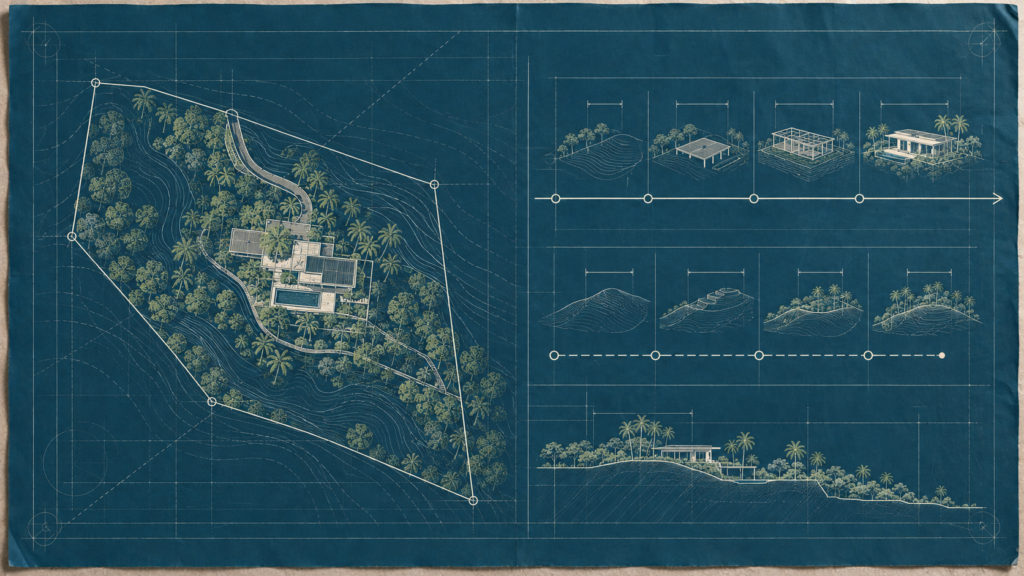
For a development like Tala Residences in Dauin, this structure serves as a foundation for sustainable, low-density growth. By establishing explicit allocation caps, the estate guarantees that local stakeholders maintain permanent, democratic majority representation within the neighborhood corporation.
This prevents the formation of insular, exclusionary enclaves and fosters a vibrant, integrated environment where local and international residents coexist equitably.
Community cohesion and asset values are further insulated through proactive covenants written directly into the organizational DNA long before any market entry occurs. Mechanisms such as a structured Right of First Refusal empower the neighborhood board to vet future asset transfers.
This ensures that incoming participants match the density standards, security profiles, and cultural fabric of the community. Together, international capability and local heritage build a reliable, institutional-grade legacy.